
As someone who’s explored Ubud’s winding streets and hidden gems multiple times, we’ve put together this comprehensive guide to help you discover the very best experiences this magical place has to offer. Whether you’re seeking cultural immersion, adventure, relaxation, or spiritual renewal, Ubud delivers unforgettable moments that will stay with you long after you’ve returned home.
Where is Ubud
Ubud is located in the uplands of Bali, Indonesia, approximately 1.5 hours north of Ngurah Rai International Airport in Denpasar. Situated among rice paddies and steep ravines, Ubud sits in the central foothills of the Gianyar regency. At an elevation of about 600 meters (2.000 feet) above sea level, it enjoys a slightly cooler climate than Bali’s coastal areas.
Unlike the beach towns of Kuta, Seminyak, or Canggu, Ubud is inland and surrounded by rainforests and terraced rice fields. This central location makes it an ideal base for exploring Bali’s interior attractions, including temples, waterfalls, and traditional villages. The town itself is relatively small and walkable, though the greater Ubud area encompasses several neighboring villages that each offer their own unique charm.
Best Things to Do in Ubud
Ubud offers a perfect mix of cultural experiences, natural beauty, and spiritual activities. From exploring ancient temples to relaxing in luxury spas, here are the 20 best things to do during your visit to this enchanting Balinese town.
Meet the Playful Monkeys at Ubud Monkey Forest
The Sacred Monkey Forest Sanctuary is one of Ubud’s most popular attractions, and for good reason. Home to over 1.000 Balinese long-tailed macaques, this 12.5-hectare forest sanctuary offers an unforgettable wildlife experience while also preserving important Hindu temples dating back to the 14th century.
As you wander through the lush forest paths, you’ll encounter monkeys of all ages swinging through trees, grooming each other, and sometimes playfully interacting with visitors. While they’re generally accustomed to humans, remember these are wild animals, keep valuables secure as these clever creatures have a knack for snatching sunglasses, water bottles, and even phones!
Visit the Sacred Monkey Forest
100.000 IDR on weekdays and 120.000 IDR on weekends.
Shop for Handcrafted at Ubud Art Market
The Ubud Art Market (Pasar Seni Ubud) is a treasure trove of Balinese craftsmanship and creativity. Located opposite the Ubud Royal Palace, this vibrant marketplace showcases the island’s rich artistic traditions through a dazzling array of handcrafted goods.
As you navigate the colorful stalls, you’ll find everything from intricately carved wooden sculptures and handwoven baskets to delicate silver jewelry and traditional batik textiles. Each item tells a story of Bali’s cultural heritage and the skilled artisans who keep these traditions alive.
The market opens early, around 8 AM, but many vendors don’t fully set up until 9 AM. Morning visits offer a more relaxed shopping experience before the midday crowds arrive. Remember that bargaining is expected here, start by offering about 50% of the initial asking price and negotiate from there. Most importantly, approach the process with a smile and respect for the artisans’ work.
Refresh Your Mind with a Luxury Yoga Class
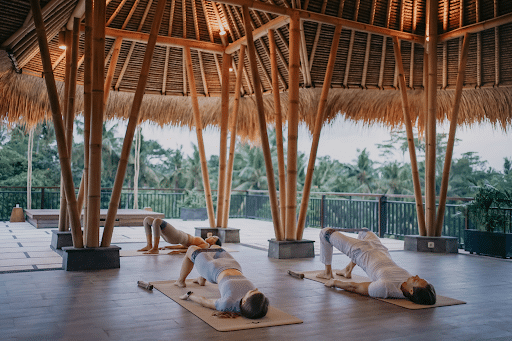
Ubud has earned its reputation as Bali’s yoga capital, attracting practitioners from around the world to its serene studios and lush retreat centers. The combination of Ubud’s spiritual energy, natural beauty, and peaceful atmosphere creates the perfect environment for deepening your yoga practice or trying it for the first time.
From beginner-friendly Hatha classes to challenging Ashtanga sessions, Ubud offers yoga experiences for every level. Many studios feature open-air pavilions surrounded by rice fields or jungle views, allowing you to connect with nature while moving through your practice.
Try to join luxury yoga in Ubud with Nyuh Bali Villas to get a truly rejuvenating experience that harmonizes body, mind, and spirit. They also offer meditation classes, sound healing sessions, and other holistic practices to complement your yoga experience.
Feel the Adrenaline on Bali Swing
For thrill-seekers and Instagram enthusiasts alike, the Bali Swing offers an exhilarating experience that combines adventure with breathtaking views. Located just outside Ubud, these giant swings suspend you high above the lush jungle canopy and rushing rivers below, creating both an adrenaline rush and perfect photo opportunities.
Various swing parks have sprung up around Ubud, with the original Bali Swing being the most established. These parks typically offer multiple swings of different heights, ranging from 10 to 78 meters above the ground. Each provides a unique perspective of Ubud’s stunning natural landscape.
Most swing parks also offer additional attractions like nests, hammocks, and jungle ziplines. Safety harnesses are provided, and trained staff ensure proper security measures. While the experience only lasts a few minutes, the memory of soaring above Bali’s landscape will stay with you much longer.
Rice Fields Walk
One of the most authentic ways to experience Ubud’s natural beauty is to take a leisurely walk through its picturesque rice fields. These emerald-green terraces not only produce Bali’s staple food but also create some of the island’s most iconic landscapes. Several rice field walks are accessible directly from Ubud’s center, making this activity both convenient and rewarding.
The Juwuk Manis (also known as Kajeng Rice Field Walk) is one of the easiest to access, beginning just behind Ubud’s main street. This pleasant path winds through working rice paddies where you can observe local farmers tending to their crops using traditional methods passed down through generations.
Walk Through The Beauty of Tegallalang Rice Terraces
While Ubud has many beautiful rice fields, the Tegallalang Rice Terraces stand in a class of their own. Located about 20 minutes north of Ubud, these UNESCO-recognized terraces showcase the ancient Balinese subak irrigation system that has sustained agriculture on the island for centuries.
The dramatic, stepped landscape creates a living sculpture that changes with the seasons – from the reflective water-filled terraces after planting to the lush green growth phase and finally the golden hues of harvest time. Each visit offers a different perspective on this agricultural masterpiece.
You can admire the terraces from the roadside viewpoints, but the true experience comes from walking among them. Paths wind through the fields, allowing you to immerse yourself in this agricultural wonder. Small donation boxes are placed along the way to support the local farmers who maintain this cultural landscape.
Take a Peaceful Morning Walk on Campuhan Ridge
The Campuhan Ridge Walk offers one of Ubud’s most accessible and rewarding nature experiences. This free, easy hiking trail follows a narrow ridge between two river valleys, providing panoramic views of the surrounding hillsides and lush tropical vegetation without requiring a strenuous climb.
The paved path begins just behind the Ibah Hotel and extends for about 2 kilometers one way. As you walk along the ridge, you’ll enjoy sweeping views in both directions, verdant hillsides, swaying palm trees, and glimpses of traditional Balinese life in the distance.
The best time for this walk is early morning (before 8 AM) or late afternoon (after 4 PM) to avoid the midday heat. Morning visits often reward you with cooler temperatures and the chance to see local Balinese going about their morning routines. The path eventually leads to the small village of Bangkiang Sidem, where you can find cafes perfect for a refreshing break before returning.
Discover Ubud Water Palace
The Pura Taman Saraswati, commonly known as the Ubud Water Palace, is a serene oasis in the heart of town. This beautiful water temple dedicated to Dewi Saraswati, the Hindu goddess of knowledge and arts, features stunning Balinese architecture surrounded by lotus ponds that create a tranquil atmosphere despite its central location.
The temple’s entrance is marked by an ornate gate leading to a courtyard filled with water gardens. Large lotus ponds frame the pathway to the main temple, creating a picturesque setting that’s especially magical in the early morning when the flowers are in bloom.
While the temple itself is typically only open during ceremonies, the outer courtyard and gardens are accessible to visitors throughout the day. In the evenings, the courtyard often hosts traditional Balinese dance performances against the backdrop of the illuminated temple, offering a perfect introduction to Bali’s rich cultural heritage.
Enjoy a Romantic Dinner
Ubud’s dining scene has evolved into one of Bali’s most diverse and sophisticated, offering perfect settings for a memorable romantic dinner. From jungle-perched restaurants to candlelit garden venues, the options for couples seeking a special evening are abundant and often surprisingly affordable.
For an unforgettable experience, book a table at Kubu at Mandapa, where private bamboo cocoons overlook the Ayung River. The fine dining menu focuses on Mediterranean-European cuisine with a modern twist, complemented by an extensive wine list and impeccable service.
Many restaurants offer special romantic dinner packages that include flower decorations, welcome drinks, and multi-course menus. Reservations are essential, especially during high season, and requesting a table with the best view will enhance your experience.
Join Cooking Class to Learn Balinese Food
Participating in a Balinese cooking class offers a delicious way to bring home more than just memories from your trip to Ubud. These hands-on experiences typically begin with a visit to a local market, where you’ll learn about traditional ingredients before heading to a kitchen garden to pick fresh herbs and spices.
Under the guidance of experienced local chefs, you’ll learn to prepare authentic dishes like bebek betutu (slow-cooked duck), and various sambals (spicy condiments). Most classes include 5-8 recipes, giving you a comprehensive introduction to Balinese cuisine’s complex flavors and techniques.
Popular cooking schools like Paon Bali Cooking Class, Casa Luna Cooking School, and Ketut’s Bali Cooking Class offer well-structured programs in beautiful settings. Classes typically last 4-6 hours and conclude with a communal feast where you enjoy the fruits of your labor.
Go Rafting on the Ayung River
White water rafting on the Ayung River provides an exhilarating way to experience Ubud’s natural beauty from a unique perspective. As Bali’s longest river winds through lush rainforests and dramatic gorges, you’ll navigate class II and III rapids while enjoying scenery inaccessible by other means.
The standard rafting route covers approximately 12 kilometers, taking about 2 hours to complete. Along the way, you’ll pass towering cliffs adorned with ancient stone carvings, hidden waterfalls, and pristine jungle landscapes. The rapids offer enough excitement for adventure seekers while remaining manageable for beginners with reasonable fitness levels.
Enjoy The Tegenungan Waterfall View
Tegenungan Waterfall is one of the most accessible cascades near Ubud, located just 10 kilometers south of town in the village of Tegenungan Kemenuh. Unlike many of Bali’s waterfalls that require lengthy treks, Tegenungan can be reached with a relatively short walk down a paved staircase, making it suitable for visitors of most fitness levels.
The waterfall drops approximately 25 meters into a wide, natural pool surrounded by lush greenery. The powerful cascade creates a refreshing mist that provides welcome relief from Bali’s tropical heat. Depending on recent rainfall, the water can range from crystal clear to a brownish hue, but the spectacle remains impressive year-round.
Visitors can swim in the pool at the base of the falls when water conditions permit, though the current can be strong, so exercise caution. Several viewing platforms have been constructed at different levels, offering various perspectives for photography. The area around the waterfall has been developed with cafes, changing facilities, and souvenir shops.
Capture Hidden Beauty at Kanto Lampo Waterfall
Less famous than some of Bali’s other cascades, Kanto Lampo Waterfall offers a uniquely photogenic experience without the crowds that gather at more popular sites. Located about 30 minutes east of Ubud in the village of Beng, this hidden gem features water flowing over a series of stepped rock formations, creating a distinctive curtain-like effect that’s perfect for photography.
Unlike the typical vertical drop of most waterfalls, Kanto Lampo cascades over tiered rock faces at a gentler angle. This unusual formation allows visitors to safely stand within the falls for memorable photos. The rocks have been naturally sculpted by centuries of flowing water, creating interesting textures and patterns.
The waterfall is accessible via a short but steep concrete stairway that takes about 5-10 minutes to descend. Local guides are available at the entrance and can help you find the best spots for photos and ensure your safety around the slippery rocks. The entrance fee is modest (around 20,000 IDR), and changing facilities are available for those who wish to swim.
Visit in the morning for the best lighting conditions and fewer people. The water level varies seasonally, with the most impressive flow occurring during and shortly after the rainy season (November to March). Even during drier periods, the unique rock formations make this waterfall worth visiting.
Find Peace at Tibumana Waterfall
Tibumana Waterfall offers a tranquil escape from Ubud’s busier attractions. Located about 30 minutes east of town near the village of Apuan, this picturesque cascade remains relatively uncrowded despite its increasing popularity on social media. The journey to Tibumana takes you through traditional villages and scenic rice fields, adding to the experience.
After a short walk through a bamboo forest and across a small bridge, you’ll reach the waterfall, which drops in a perfect vertical column into a large, swimmable pool. The surrounding jungle creates a natural amphitheater that amplifies the soothing sound of falling water, creating a meditative atmosphere.
The pool at Tibumana is ideal for swimming, with refreshingly cool water that provides welcome relief from Bali’s heat. The depth is manageable for most swimmers, though as always, exercise caution around natural water features. The area around the pool offers several flat rocks perfect for placing your belongings while you swim.
A small entrance fee (around 20.000 IDR) helps maintain the site, and basic facilities including changing rooms and a small warung (local café) are available. Visit early in the morning to have this peaceful spot largely to yourself, or come in the late afternoon when the lighting creates a magical atmosphere as it filters through the jungle canopy.
Stay in one of The Luxury Villas
Ubud offers some of Bali’s most extraordinary accommodation experiences, with luxury villas that seamlessly blend into the natural environment. These private sanctuaries typically feature traditional Balinese architecture combined with modern amenities, creating spaces that feel both authentic and indulgent.
Many luxury villas in Ubud are built on the edges of river valleys or overlooking rice terraces, providing breathtaking views from private infinity pools. The sound of flowing water and rustling palm leaves replaces urban noise, while floor-to-ceiling windows blur the boundaries between indoor and outdoor living.
Villa stays typically include personalized service from dedicated staff, including private chefs who can prepare both Western and Balinese cuisine in your villa. Many properties also offer in-villa spa treatments, yoga sessions, and cultural experiences like traditional Balinese blessing ceremonies.
Step Back in Time at Goa Gajah Temple
Goa Gajah, or the Elephant Cave Temple, is an archaeological site of significant historical importance dating back to the 9th century. Located just 6 kilometers southeast of Ubud, this Hindu-Buddhist sanctuary offers a fascinating glimpse into Bali’s ancient spiritual practices and artistic traditions.
The cave’s entrance is the site’s most striking feature, an intricately carved demon face with wide eyes and an open mouth that serves as the doorway. Historians believe this menacing facade was designed to ward off evil spirits. Inside the shallow cave, you’ll find a small meditation space with lingam-yoni symbols representing Shiva and several niches that once held statues.
Beyond the cave, the site extends into a lush ravine where you’ll discover ancient bathing pools with partially restored stone carvings of female figures pouring water from jars. Further exploration reveals Buddhist stupas, meditation caves, and traditional Balinese split gates leading to different areas of the complex.
The entrance fee is approximately 50.000 IDR and includes the mandatory sarong rental needed to enter this sacred site. Plan to spend about an hour exploring the grounds. Early morning visits offer cooler temperatures and fewer crowds, allowing for a more contemplative experience at this ancient sanctuary.
Cleanse Your Spirit at Tirta Empul Temple
Pura Tirta Empul, one of Bali’s most important water temples, has been a site of purification for over a thousand years. Located in the village of Tampaksiring, about 30 minutes north of Ubud, this national cultural heritage site centers around natural spring waters believed to have healing properties.
The temple complex features a large rectangular pool fed by sacred springs, where a series of 30 water spouts create a ritual bathing area. Balinese Hindus visit this site for melukat, a purification ceremony where they pray and immerse themselves under each spout in a specific sequence, symbolically cleansing body and soul.
Visitors can participate in this purification ritual with proper respect for local customs. The temple provides sarongs and sashes for rent, and it’s advisable to observe others before entering the water. For those who prefer not to participate, the ritual can be respectfully observed from the sides of the pool.
Beyond the main purification pools, the temple complex includes several courtyards with shrines, pavilions, and a large koi-filled pond. The temple’s architecture showcases classic Balinese design with intricately carved stone gates and shrines adorned with mythological figures.
Visit Saraswati Temple
Pura Taman Saraswati, dedicated to the Hindu goddess of knowledge, music, art, wisdom, and learning, offers one of Ubud’s most photogenic settings. Located in the heart of town next to Café Lotus, this water temple is renowned for its beautiful lotus pond and exquisite Balinese architecture.
The temple’s entrance pathway leads between two large rectangular ponds filled with pink lotus flowers, creating a stunning approach to the ornately carved temple gate. The blooms are particularly impressive in the morning when they open to greet the sun, though the setting remains picturesque throughout the day.
While the inner temple is usually only open during ceremonies, the outer courtyard with its water gardens is accessible to visitors throughout the day. In the evenings, the temple courtyard hosts traditional Balinese dance performances, with the illuminated temple providing a magical backdrop for these cultural showcases.
Experience Deep Relaxation with a Breathwork Session
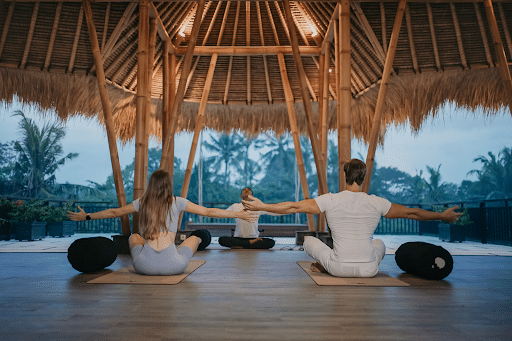
Breathwork offers many benefits, from reducing stress and improving focus to balancing the body’s energy. Moreover, Ubud is known for its peaceful atmosphere and lush green surroundings in the heart of Bali. This makes breathwork in Ubud even more appealing to visitors seeking a holistic healing experience and deep relaxation.
You can experience this rejuvenating practice at Nyuh Bali Villas, which offers guided breathwork sessions led by experienced practitioners in a peaceful and private setting. The combination of Ubud’s spiritual energy and the modern comfort of Nyuh Bali Villas creates a truly refreshing experience for both the body and mind.
Visit a Local Coffee Plantation
The highlands around Ubud provide ideal growing conditions for coffee, making a plantation visit both educational and delicious. These tours offer insight into the cultivation and processing of Balinese coffee, including the famous (and controversial) kopi luwak, or civet coffee.
Most coffee plantations around Ubud are small, family-run operations that grow coffee alongside spices, cacao, and tropical fruits. During a tour, you’ll see coffee plants at various stages of growth and learn about traditional processing methods, from harvesting and drying to roasting and grinding.
The highlight of most plantation visits is the tasting session, where you can sample various coffees and teas produced on site. Many places offer a tasting tray with 8-12 different varieties, including Balinese coffee, vanilla coffee, ginger coffee, and herbal teas made from lemongrass, ginger, and other locally grown ingredients.
Where to Stay in Ubud
Choosing where to stay in Ubud significantly impacts your experience, as each area offers a different atmosphere and proximity to attractions. The town center provides convenience but can be busy, while the surrounding villages offer tranquility and rice field views.
Central Ubud
Staying in Ubud’s center puts you within walking distance of restaurants, shops, and attractions like the Monkey Forest and Ubud Palace. This area is ideal for first-time visitors who want to explore without relying on transportation. Look for accommodations on quieter side streets like Jalan Kajeng or Jalan Goutama to avoid traffic noise.
Recommended: Komaneka at Monkey Forest, Adiwana Resort Jembawan
Surrounding Villages
For a more peaceful experience surrounded by nature, consider staying in villages like Penestanan, Nyuh Kuning, or Tegallalang. These areas offer stunning rice field views and a glimpse of traditional Balinese life while still being within 10-30 minutes of central Ubud. Many luxury resorts and private pool villas are located in these outlying areas.
Recommended: Ubud Nyuh Bali Villas, Ubud Padi Villas, Kamandalu Ubud
Find Your Perfect Ubud Accommodation
From luxury resorts and private pool villas to boutique hotels and budget-friendly guesthouses, Ubud offers accommodations for every preference and budget. Book early during peak season (July-August and December-January) to secure the best options.
How Many Days in Ubud? (2 or 3 Days?)
The ideal length of stay in Ubud depends on your interests and overall Bali itinerary. While you can see the main attractions in two days, a longer stay allows you to experience Ubud’s unique atmosphere and explore beyond the tourist highlights.
2-Day Itinerary (Minimum)
A two-day visit allows you to see Ubud’s essential sights but at a rushed pace. You’ll have time for the Sacred Monkey Forest, Tegallalang Rice Terraces, one or two temples, and perhaps a short rice field walk or yoga class. This timeframe works if Ubud is just one stop on a broader Bali tour.
3-4 Day Itinerary (Recommended)
Three to four days gives you a more balanced experience, allowing time for both cultural attractions and relaxation. You can explore the main sights at a leisurely pace, take a day trip to nearby waterfalls or temples, enjoy a cooking class or spa treatment, and still have time to soak up Ubud’s special energy in cafes and rice fields.
5+ Days (Immersive)
For those seeking a deeper connection with Ubud, staying five or more days allows you to venture beyond typical tourist experiences. You can participate in a traditional ceremony if your visit coincides with one, take multiple yoga or wellness classes, explore lesser-known villages and nature spots, and develop relationships with local artisans and cafe owners.
Factors to Consider
When deciding how long to stay, consider the season (activities take longer during rainy periods), your interest in cultural experiences versus adventure activities, and whether you prefer a packed itinerary or a more relaxed pace with time for spontaneous discoveries. Many visitors find themselves extending their planned stay once they experience Ubud’s charm.
Best Restaurants in Ubud
Ubud’s dining scene has evolved into one of Bali’s most diverse and innovative, offering everything from traditional Balinese warungs to world-class fine dining. The town’s focus on fresh, locally sourced ingredients makes it a paradise for food lovers.
Local Cuisine
- Bebek Bengil (Dirty Duck Diner) – Specializing in crispy duck
- Warung Siam – Authentic local dishes in a casual setting
- Murni’s Warung – Bali’s oldest restaurant with riverside dining
International & Fusion
- Locavore – Farm-to-table fine dining with innovative tasting menus
- Hujan Locale – Creative Indonesian cuisine with modern techniques
- Bridges – Elegant dining with valley views and excellent wine list
Vegetarian & Vegan
- Sage – Plant-based cuisine with beautiful presentation
- Clear Cafe – Colorful, healthy food in a stunning setting
- Kismet – Creative vegetarian dishes and raw desserts
Tips to Get Around Ubud
Navigating Ubud and its surroundings requires some planning, as public transportation is limited. Here are the best ways to explore this cultural hub and its beautiful environs.
Walking
Central Ubud is compact enough to explore on foot, with many attractions, restaurants, and shops within walking distance of each other. Walking allows you to discover hidden alleys, art galleries, and cafes you might otherwise miss. Early morning or evening walks are most pleasant due to the tropical heat.
Scooter Rental
Renting a scooter is the most flexible way to explore Ubud and its surroundings. Rentals cost around 50,000-70,000 IDR per day. While convenient, this option requires confidence in navigating sometimes chaotic traffic and narrow roads. Always wear a helmet and carry an international driving permit.
Ride-Hailing Apps
Gojek and Grab operate in Ubud, offering affordable transportation via their apps. These services provide both car and motorcycle taxi options. Note that some areas of central Ubud have restrictions on where these drivers can pick up passengers due to agreements with local taxi cooperatives.
Private Driver
Hiring a private driver for a day (around 500.000-700.000 IDR) is ideal for visiting multiple attractions outside Ubud. Drivers typically speak English, provide cultural insights, and can suggest itineraries based on your interests. This option is particularly valuable for waterfall tours or temple circuits.
Bicycle Rental
Many hotels offer free bicycle use or rentals for around 30.000 IDR per day. Cycling is perfect for exploring nearby rice fields and villages at a leisurely pace. Be prepared for hills and hot weather, and stick to quieter roads when possible.
Ubud Awaits You
Ubud offers a unique blend of cultural immersion, natural beauty, and spiritual experiences that sets it apart from other destinations in Bali. Whether you’re wandering through ancient temples, learning traditional crafts from local artisans, or simply soaking in the views of terraced rice fields, Ubud provides moments of connection and discovery that stay with you long after your visit.

