
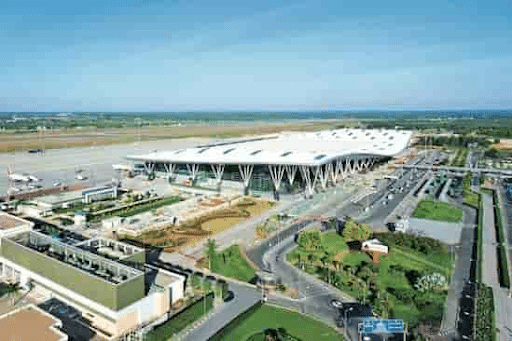
For many years now the blueprint that was used for holiday was mainly characterized by stressful and predictable cadence which included the frantic dash through airport terminals, the inevitable commute to a fixed hotel base and the sterile wait at baggage carousels. Even though this old model looks structured it usually acts as a barrier between travelers and the destination they look to explore.
There has recently been a shift, with more travelers now bypassing hotel lobbies and embracing the driver’s seat. Basically, the rise of campervan-led travel represents the move toward slow travel, a philosophy that emphasizes the importance of taking time to truly enjoy your journey — appreciating the road itself, the ability to wake up to different horizons, and the freedom to explore unexpected detours along the way.
The Liberation of the Mobile Base
One of the interesting thing above campervan is how it eliminates the various anxiety that is associated with check ins and check out. Basically when your transport is your kitchen, lounge and bedroom you will be able to easily avoid the various logistic friction. Also you will no longer have to tether to a single city or forced to double back on your tracks so you can reach a hotel by nightfall.
In places like the Scottish Highlands, the alpine passes of Central Europe and the rugged coastlines of Ireland this level of freedom becomes transformative for you because it will allow you to easily level of spontaneity that you won’t get with conventional travel approaches. While traveling and a local mentions a secluded forest trail or a hidden cove you won’t be wondering how to get there because you have the infrastructure to follow that lead and you won’t be simply visiting a landscape because you are already inhabiting it.
The Practicality of Modern Van Life
Modern campervans have evolved far beyond the cramped, utilitarian vans of the past. Today’s fleets are designed with a “compact luxury” mindset. Most features include efficient heating systems, functional kitchenettes, and clever storage solutions that make living on the road surprisingly seamless.
However, for those new to the experience, the planning stage can feel daunting. Many travelers spend hours scouring the internet for the cheapest campervan rental places, but savvy explorers know that value isn’t just about the daily rate—it’s about the support, vehicle reliability, and the flexibility of pickup locations.
For those looking to maximize their budget without compromising on the quality of their home-on-wheels, checking for seasonal deals is essential. Bunk Campers, for instance, offers a variety of campervan hire promotions that make high-end road trips more accessible, particularly for those planning extended tours across the UK and Ireland. Utilizing these types of offers allows travelers to reallocate their budget toward experiences—like guided sea kayaking or local gastronomic tours—rather than just the overhead of the vehicle.
Tips for a Seamless Transition to the Highway
Transitioning from a traditional holiday to a campervan expedition requires a slight shift in mindset. Here are a few practical tips to ensure the open road remains a joy:
- Pack Light, Pack Soft: Space is optimized in a campervan. Soft-sided duffel bags are much easier to stow in cupboards than rigid, hardshell suitcases.
- Download Offline Maps: While the goal is to get off the beaten path, GPS can be spotty in remote valleys. Having offline maps or a physical atlas is a vital safety net.
- Respect the “Leave No Trace” Ethos: The beauty of van travel relies on the preservation of the wild spots we visit. Always use designated disposal points and respect local overnight parking regulations.
- Embrace the “One-Pot” Meal: Cooking on the road is part of the charm. Focus on simple, fresh, local ingredients that can be prepared easily.
The New Gold Standard of Travel
The movement from airport terminals to open highways isn’t just about avoiding crowds; it’s about reclaiming the sense of discovery that travel is supposed to provide. There is a profound psychological shift that happens when you realize that the most beautiful view of the trip wasn’t a postcard in a gift shop, but the one you saw through your own windscreen while the morning coffee was brewing.
As we look toward the future of global tourism, the trend is clear: we are moving away from being spectators of a destination and toward being participants in it. The highway is calling, and it offers a perspective that no hotel balcony ever could.

