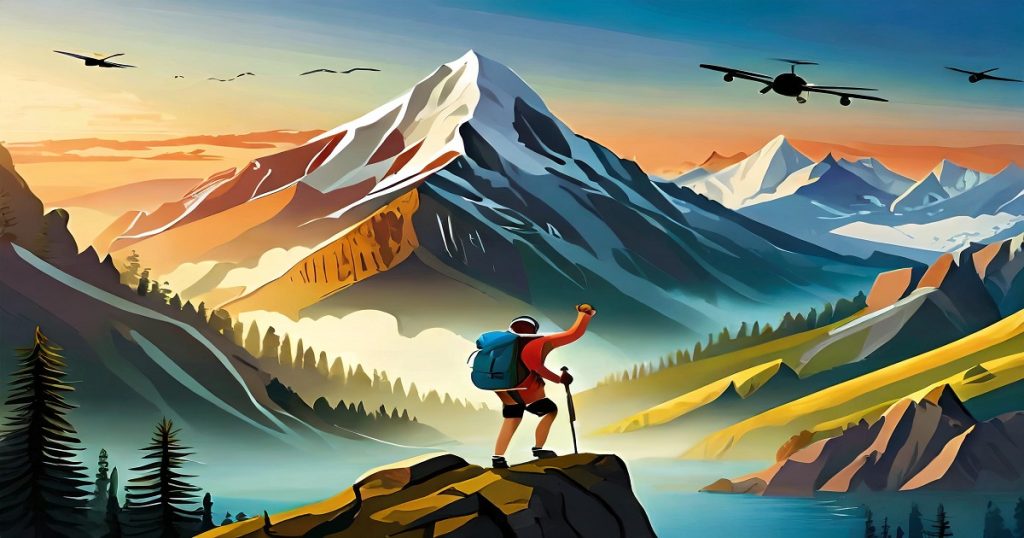
Solo trekking can inspire self-discovery and empowerment. Embrace the thrill of your first solo adventure with confidence.
Embarking on your first solo hike might seem intimidating, but it presents a unique opportunity for personal growth and connection with nature. While navigating the wilderness alone can stir a mix of emotions, arming yourself with the proper knowledge, gear, and mindset transforms apprehension into exhilarating freedom.
Solo trekking affords a rare chance to engage deeply with your surroundings, listen to the silence of the forests, and challenge your limits. Each step on the trail is a step towards mastering independence and self-reliance, proving that you can conquer the unknown. In taking that leap of solitude into the great outdoors, you explore new terrains and discover untapped reservoirs of your potential.
Why Choose Solo Adventure Trekking?
Setting off on a solo trek unearths incredible personal rewards. It’s not just a journey across terrains but a voyage into the depths of one’s soul. Embracing a solo adventure introduces new perspectives, pushes boundaries, and forges resilience. Here’s why a solo trek can be a life-changing experience:
Opportunity For Self-discovery
There’s something special about being alone with nature. Solo treks give a unique chance for reflection. They allow you to listen to your thoughts and learn more about yourself. It’s a time to explore personal limits while surrounded by the beauty of the wild.
Freedom And Flexibility
When trekking solo, there’s no need to compromise. Choose your path, set your pace, and take breaks whenever desired. This freedom means you can fully immerse yourself in the trekking experience, taking the time to appreciate every moment without external pressures.
Confidence Booster
Completing a solo trek is a profound achievement. It’s a surefire way to boost your self-esteem. Conquering challenges alone makes the next adventure feel more manageable. With each step, your confidence grows, helping you to become more self-assured in daily life.
Preparing For Your Solo Adventure Trek
Leaping a solo adventure trek is an exhilarating experience that remains etched in your memory. Preparation is crucial to ensure a successful and enjoyable hike. Let’s dive into the essentials for embarking on your journey with confidence.
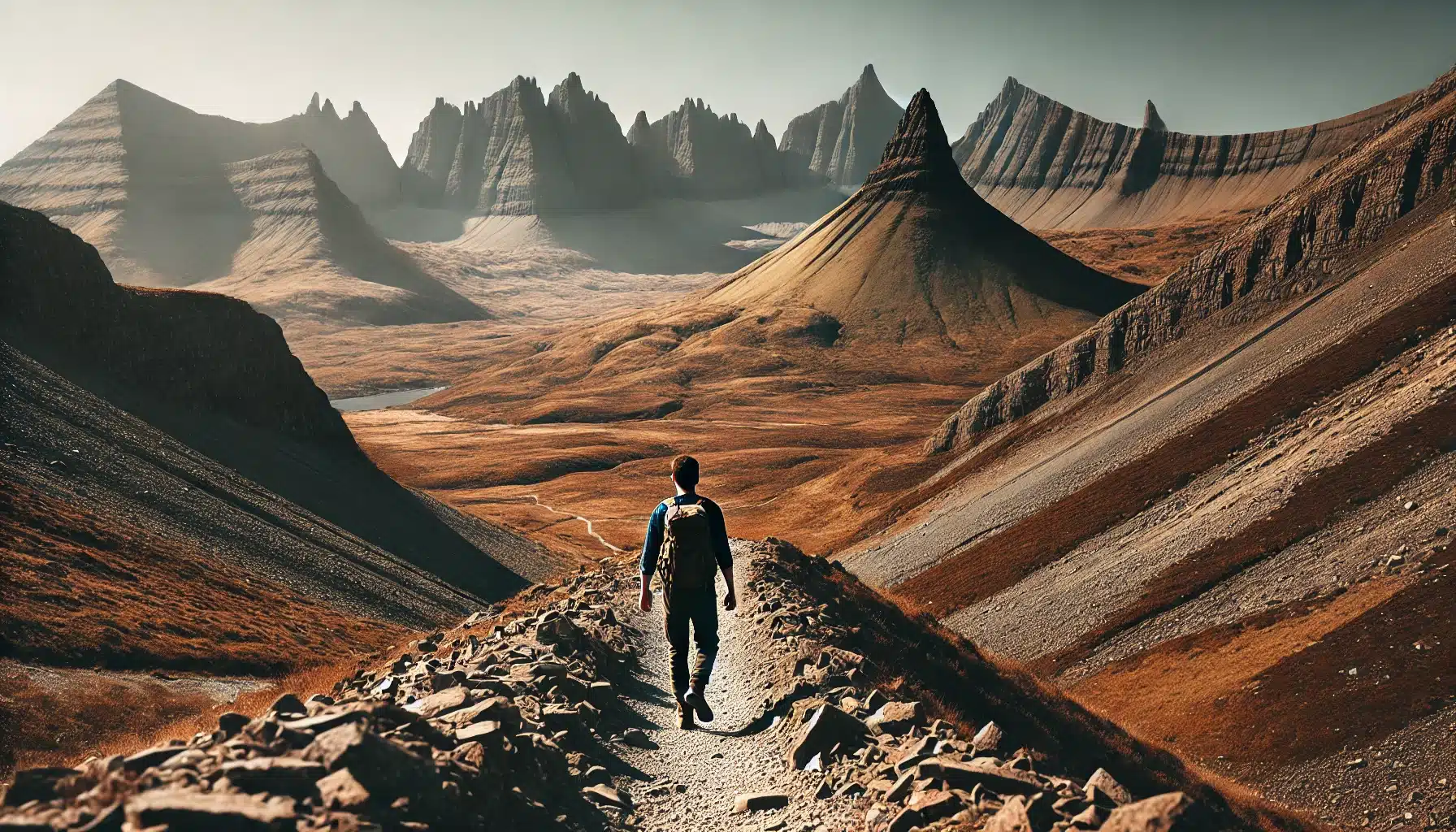
Researching The Destination
Begin by gathering information about the trekking area. Details such as climate, terrain, wildlife, and attractions are important. Look up reviews and tips from fellow hikers. Websites, guidebooks, and local forums provide valuable insights.
Planning Your Route
- Identify start and end points.
- Mark checkpoints and rest stops.
- Note water sources and emergency exits.
- Estimate daily hiking distances.
- Plan for flexibility in case of unexpected events.
Obtaining Necessary Permits
Some trails require permits for access or overnight stays. Apply well in advance to secure your spot. Check online or contact the local park service for details.
Packing Essentials
| Item | Purpose |
| Backpack | To carry all your gear |
| Maps/GPS | Navigation tools |
| First-aid kit | For injuries and emergencies |
| Food and water | Sustenance for the trip |
| Tent/sleeping bag | Shelter and warmth |
| Weather-appropriate clothing | To stay protected |
| Headlamp/flashlight | For visibility at night |
Finding The Perfect Solo Trek
Your heart races at the thought of setting foot on a trail, surrounded only by the whisper of the wind and the call of the wild. A solo trek presents an exhilarating chance to commune with nature and discover your inner strength. Yet, the key to a successful solo hike is choosing the right path. Let’s explore finding a trail that matches your spirit and skill level.
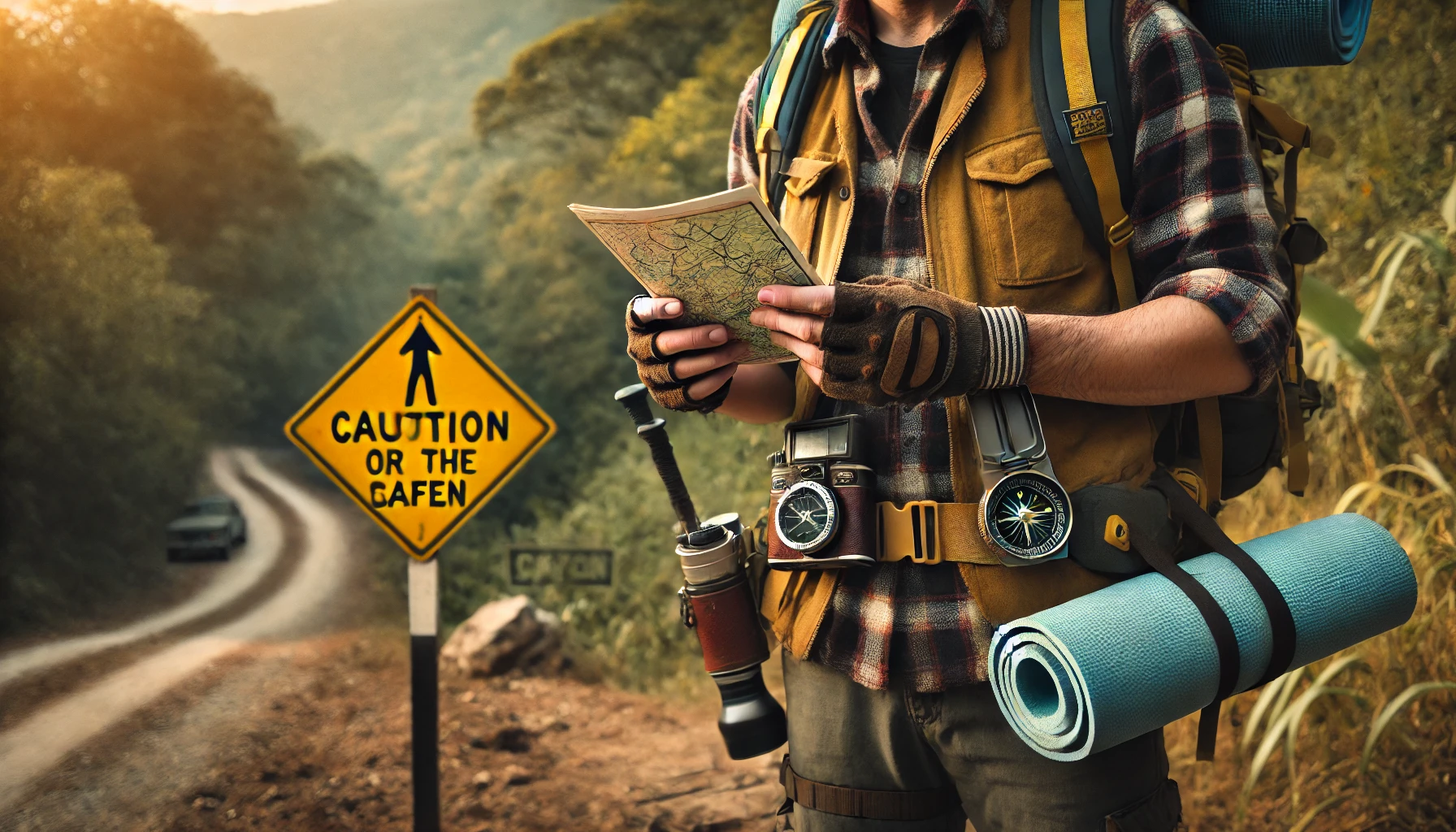
Consideration Of Difficulty Level
Always match the trek to your experience. As a solo hiker, you should never overestimate your capabilities. Here’s a quick guide:
- Beginner: Flat, short trails under 5 miles
- Intermediate: Varied terrain, 5-10 miles
- Advanced: Challenging elevation, over 10 miles
Choosing A Well-marked Trail
Stay on track with clear signs. Well-marked trails ensure you stay the course and enjoy peace of mind. Look for:
| Trail Feature | Importance |
| Clear Signage | Guides your journey |
| Maps at Intersections | Helps with navigation decisions |
| Marked Distances | It allows you to gauge your progress |
Solo-friendly Destinations
Choose destinations welcoming to solo hikers. Some trails are more suited for solo adventure than others. Here are a few:
- State Parks: Often have staff and rangers for added security
- Local trails: Can be less intimidating and easier to navigate
- National Scenic Trails: Offer infrastructure and fellow hiker interaction
Staying Safe During Your Solo Adventure Trek
Taking on a solo adventure trek is exhilarating. It fills you with independence, tests your resilience, and offers an unforgettable connection with nature. Ensuring safety should be your top priority. Consider these crucial safety strategies as you prepare to conquer your solo hike.
Sharing Your Itinerary
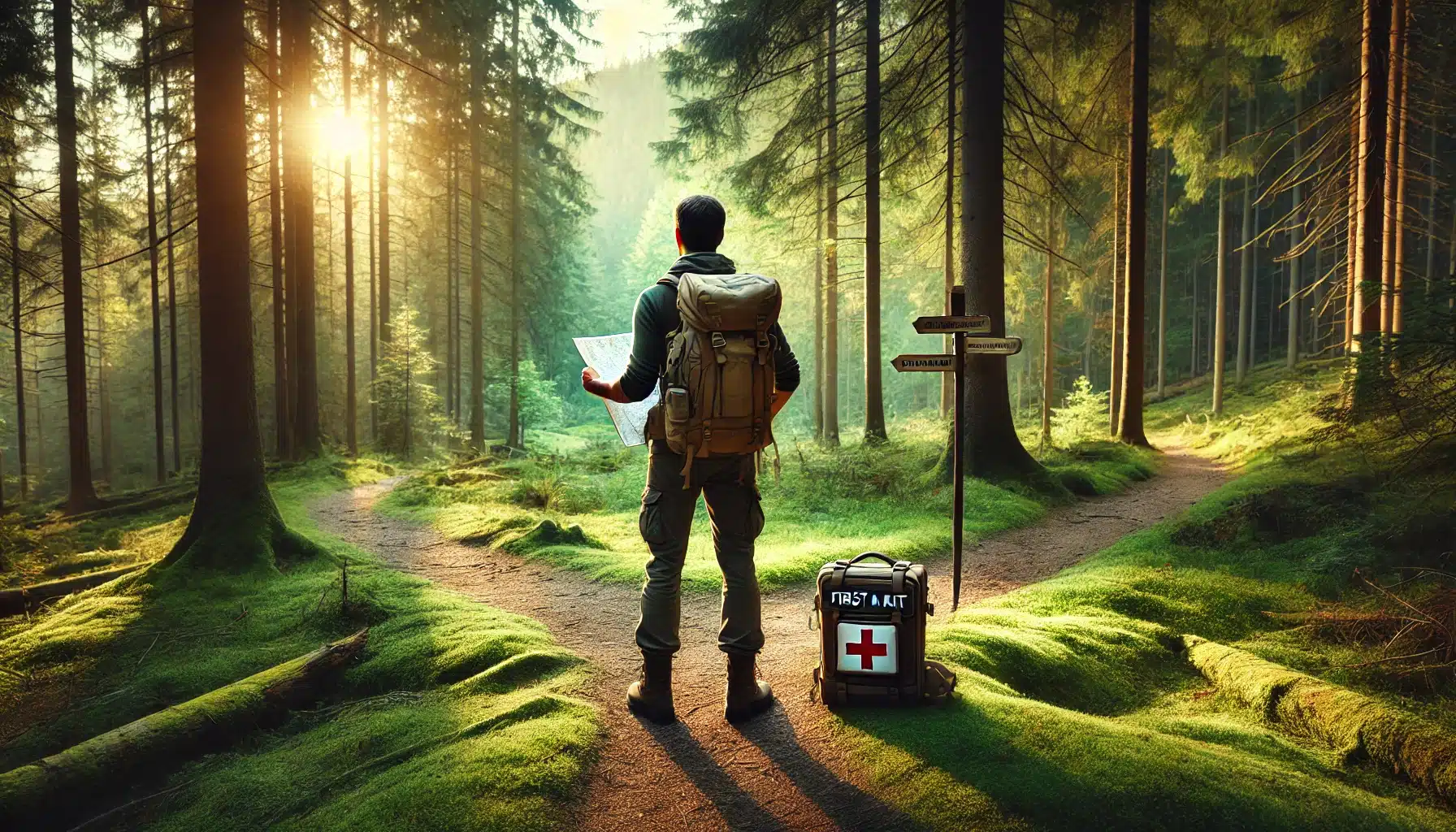
Let people know where you’re going. Share your detailed plan with a trusted friend or family member. This includes your departure, expected check-ins, and return times. Since plans can change, stay in touch.
Carrying Emergency Supplies
A well-packed emergency kit is a must. Here’s what you shouldn’t hike without:
- First Aid Kit: Bandages, antiseptic, pain relievers, and blister treatments.
- Navigation Tools: Map, compass, or GPS device.
- Water and Purifier: Hydration is critical; carry sufficient water and is a way to purify more.
- Shelter: A lightweight tent or emergency bivvy can save you from the elements.
Obeying Nature And Wildlife Guidelines
Respect nature’s boundaries, stick to marked trails and preserve the environment. Learn about the wildlife you may encounter. Carry bear spray if necessary, and know how to store food properly.
Trusting Your Instincts
Personal intuition is a powerful guide. Feel free to turn back or seek help if a situation feels wrong. Trusting your instincts can prevent dangerous situations.
Overcoming Fear And Building Confidence
Embarking on a solo trek can stir fear and uncertainty. Yet, once conquered, these emotions transform into confidence and self-reliance. This section offers guidance on tackling fears and cultivating assurance in your abilities to enjoy a fulfilling solo adventure.
Embracing The Unknown
The unknown often breeds fear. To embrace the adventure, approach your trek with curiosity. Acknowledge that surprises can lead to memorable experiences and stories to tell. Trust in your planning and readiness to handle any situation.
Seeking Support And Inspiration
Look for like-minded hikers and online forums. Their stories and advice can fuel your courage. Learn from others’ treks and create a support system for your journey. Remember, inspiration is critical to confident solo trekking.
Setting Achievable Goals
Start with short, manageable hikes. This strategy allows you to build skills gradually. Celebrate each accomplishment as a step towards more extensive treks. Realistic goals prevent feeling overwhelmed.
Learning From Setbacks
Mistakes offer valuable lessons. Reflect on what went wrong, adjust your approach, and try again. With each setback, I grow more robust and more prepared. Resilience turns challenges into stepping stones towards confidence.
Navigating Challenges On Your Solo Trek
Embarking on a solo trek is a thrilling leap into self-discovery. You’ll face many challenges head-on. Below are strategies to overcome common hurdles and make your journey unforgettable.
Dealing With Loneliness
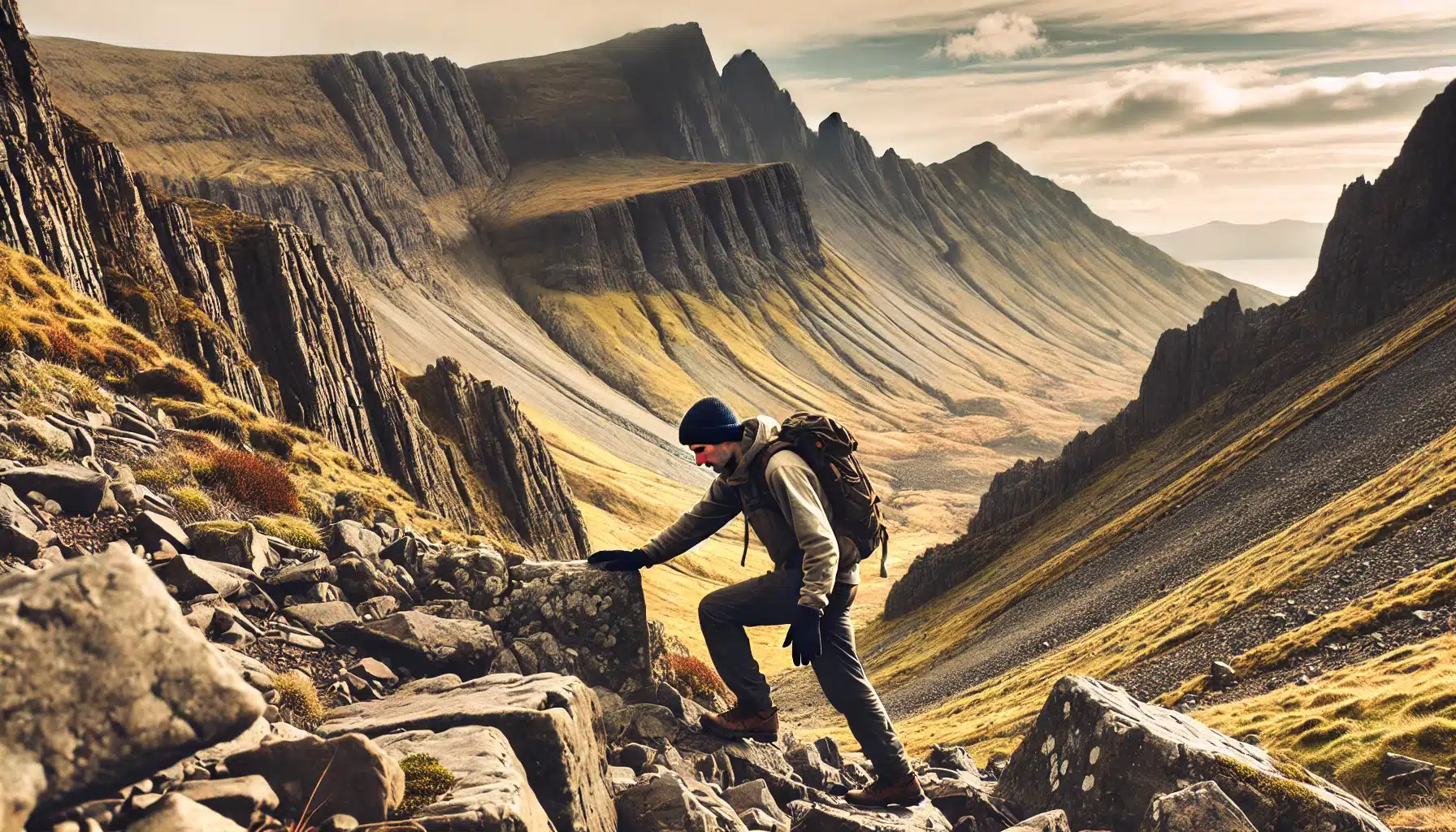
Feeling alone can be daunting, but it’s a chance to connect with yourself. Here’s how:
- Journaling: Write down your thoughts and experiences.
- Photography: Capture moments to share later.
- Music or podcasts: Listen to your favorites to lift your spirits.
Managing Physical Exhaustion
Staying energized is critical. Plan to maintain your strength:
- Consistent breaks: Rest and hydrate regularly.
- Healthy snacks: Pack nuts, fruits, and energy bars.
- Sleep well: Ensure a good night’s rest to recharge.
Finding Accommodations And Safe Campsites
Safety comes first when settling for the night. Use these tips:
| Accommodation Type | Considerations |
|---|---|
| Hotels or Hostels | Book in advance and check reviews. |
| Campsites | Look for official sites with good safety records. |
| Wild Camping | Know the regulations and prepare for self-sufficiency. |
Adapting To Unforeseen Circumstances
Unexpected events will happen. Stay calm and adapt. Here’s how:
Weather Changes
– Carry all-weather gear and study forecasts.
Route Blockages
– Have a map and compass for alternate routes.
Health Issues
– Keep a first-aid kit and know basic first aid.
Enjoying The Rewards Of Solo Adventure Trekking
Solo adventure trekking opens up a world of unseen rewards. Bold adventurers reap benefits that stay with them for a lifetime. Ready to enjoy the rewards of trekking alone? Read on!
Connecting With Nature
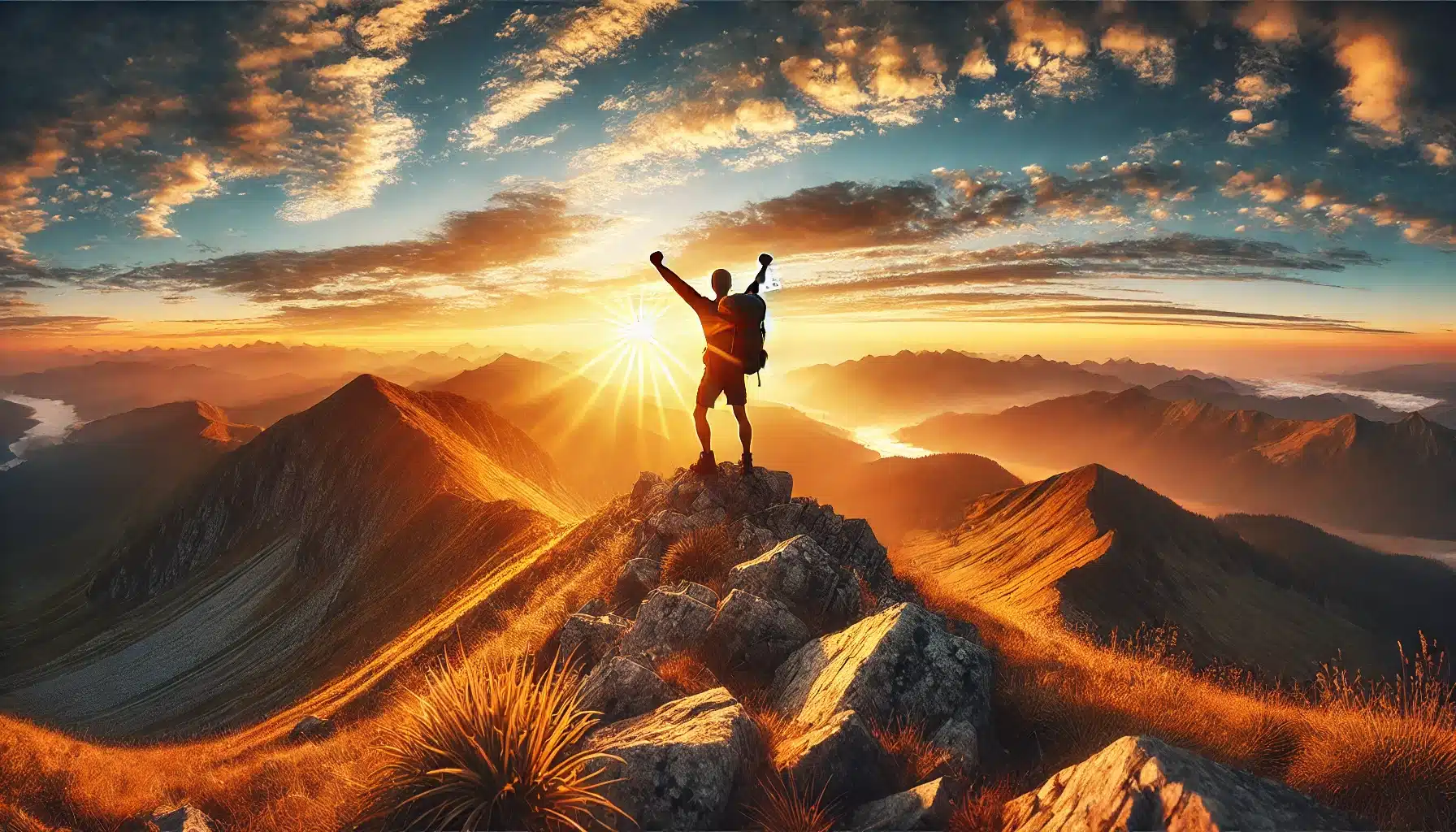
Step into the wild and connect with nature on a primal level. Surrounded by forests, mountains, or deserts, solo trekkers find peace.
- Breathe fresh air
- Witness untamed wildlife
- Admire stunning landscapes
Experiencing Solitude And Serenity
The silence of solitude is profound. Solo trekkers enjoy moments of sheer calmness, where serenity rules and noise fades away.
- Find quiet spaces
- Reflect without distractions
- Cherish personal time
Building Self-reliance And Self-esteem
Challenge yourself and grow. Solo trekkers’ self-reliance skyrockets as they navigate trails and make decisions alone, boosting self-esteem.
| Challenge | Self-Reliance | Self-Esteem |
| Navigation | Increased | Boosted |
| Decision Making | Sharpened | Enhanced |
Creating Lifelong Memories
Create unforgettable memories as you trek. Every solo adventure writes a unique story in your life’s book, filled with vivid chapters.
Mental And Physical Preparation For Your Trek
Tackling a solo trek demands more than just good hiking boots. To fully conquer a solo adventure, you must mentally and physically prepare. Let’s explore what it takes to make your trek not just possible but enjoyable.
Building Stamina And Endurance
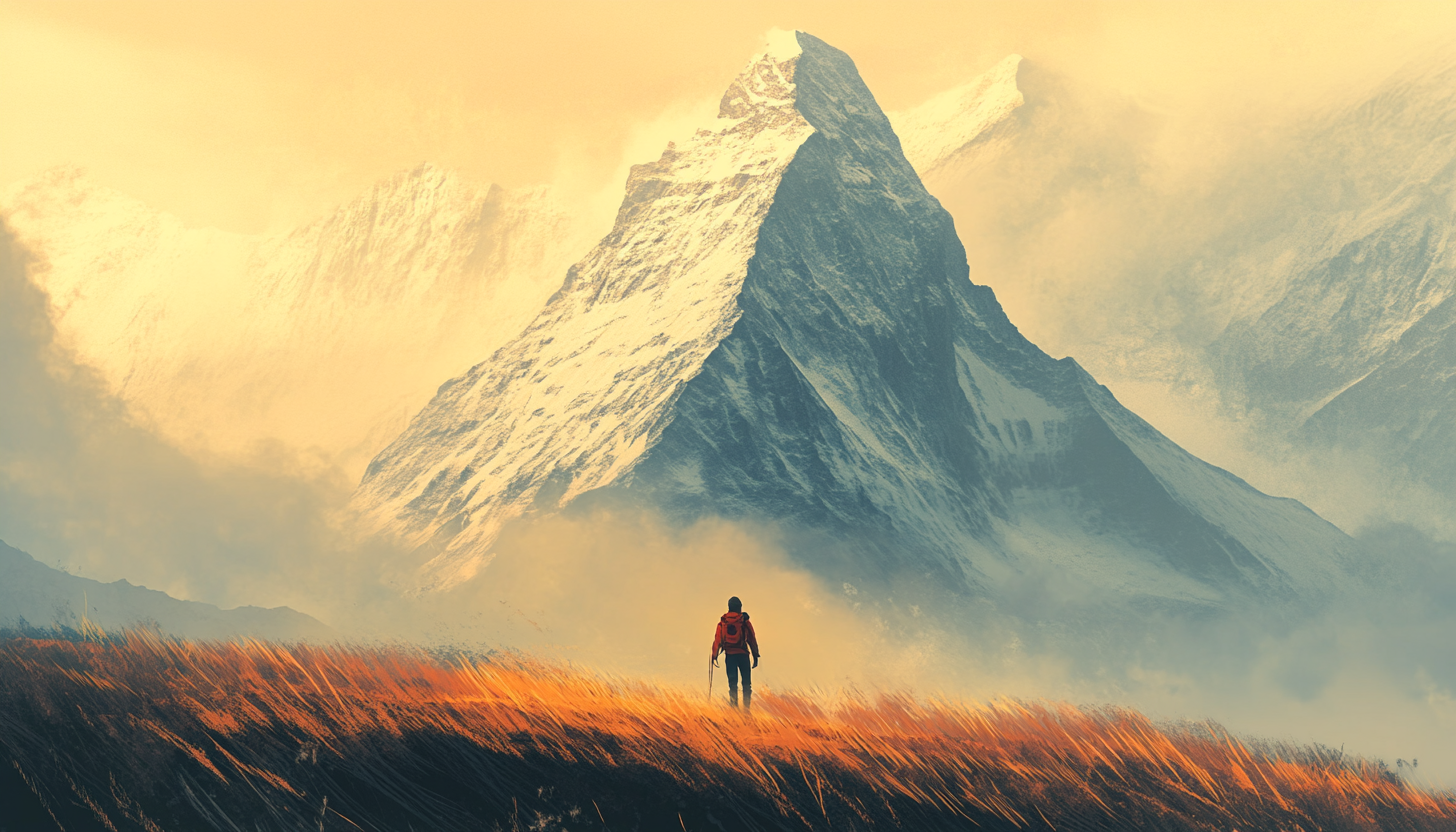
Endurance is vital for long treks. Begin with regular walking, then gradually add distance and elevation. Consider incorporating cardio exercises like running or swimming into your routine for added stamina.
- Start with shorter walks.
- Increase intensity over time.
- Add variety with cross-training.
Mental Resilience And Preparedness
A solo trek is as much a mental battle as a physical one. Develop resilience through visualization techniques and positive affirmations. Keep your goals realistic and celebrate small victories on your path to the trail.
- Visualize completing your trek.
- Use affirmations to boost confidence.
- Break down goals into manageable tasks.
Training And Conditioning
Before hitting the trail, simulate trek conditions. Load up a backpack and tackle stairs or steep inclines. Strength training for your core and legs will also help you prepare for rugged terrain.
| Activity | Benefit |
|---|---|
| Backpack walks | Simulate trail conditions |
| Stair climbing | Build leg strength |
| Core workouts | Enhance balance |
Essential Gear For Your Solo Adventure Trek
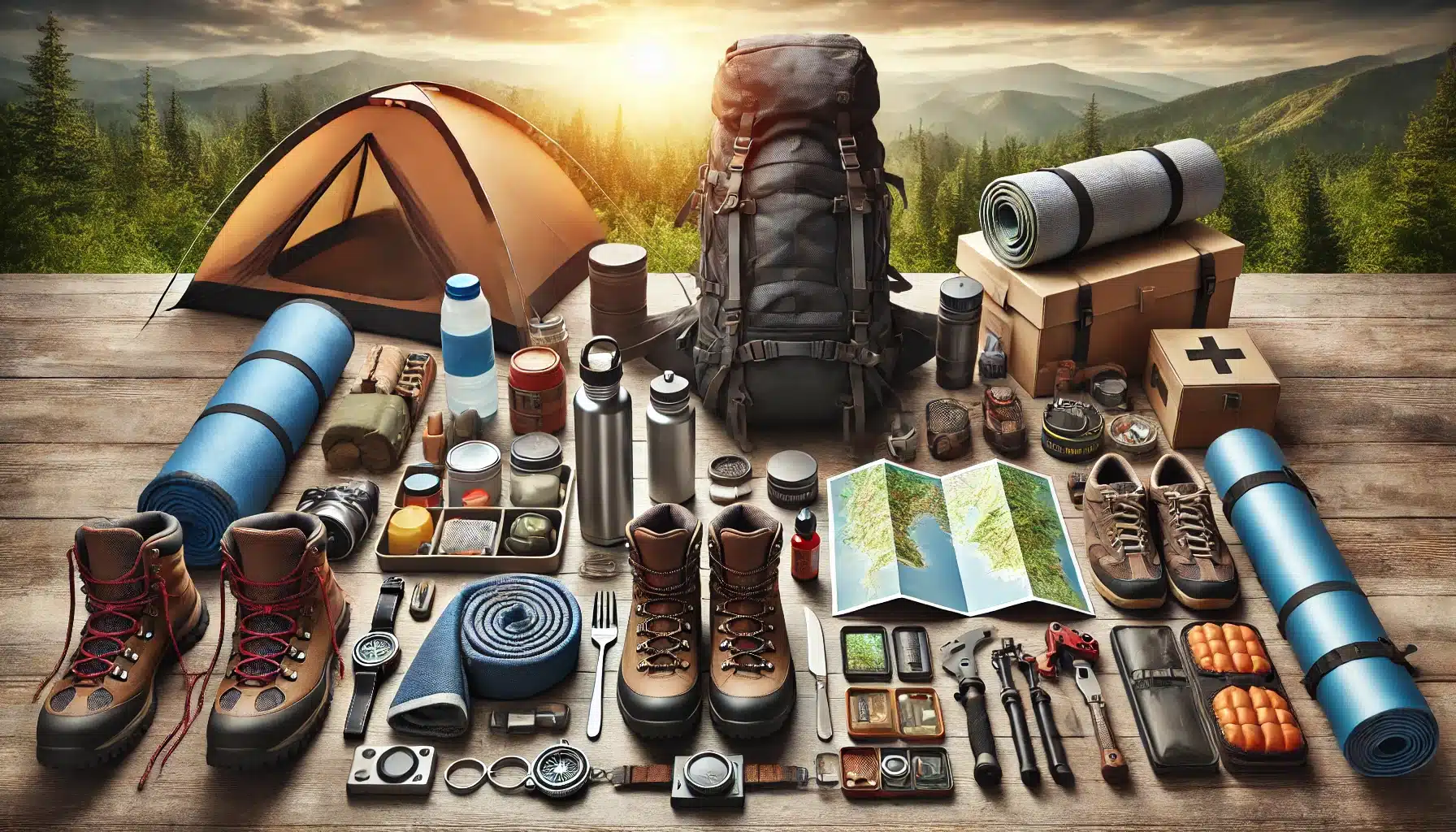
Embarking on a solo trek is thrilling! It promises adventure, challenges, and the joy of self-reliance. Yet, the right gear is crucial for safety, comfort, and enjoyment. Start with these must-haves for your journey.
Choosing A Suitable Backpack
A backpack is your most loyal companion on the trail. It should fit well, be ergonomic, and have enough space for your trek essentials.
- Consider a pack with 40-50 liters capacity for overnight trips.
- Look for adjustable straps and a hip belt for comfort and weight distribution.
- Choose backpacks with multiple compartments for easy organization.
Selecting Proper Hiking Shoes
The proper footwear transforms a trek from grueling to enjoyable. Your shoes should support your ankles and cushion your soles.
- Opt for waterproof, breathable materials to keep feet dry and comfortable.
- Ensure a proper fit to prevent blisters and discomfort.
- Invest in quality to withstand rugged trails.
Must-have Clothing And Layers
Layers are the secret to regulating body temperature and staying protected. Focus on warmth, breathability, and moisture-wicking properties.
- Start with a moisture-wicking base layer.
- Add an insulating mid-layer like fleece.
- Top with a waterproof, breathable shell layer.
- Remember, extra socks and underwear.
Gadget And Tool Essentials
These gadgets and tool essentials will help you navigate, communicate, and stay safe. They’re non-negotiables for any solo trekker.
| Gadget/Tool | Use |
|---|---|
| Multi-tool | For repairs and emergencies |
| Headlamp | Hands-free lighting |
| Portable charger | Keep devices charged |
| GPS device or app | Trail navigation |
| Emergency whistle | Safety signaling |
Solo Trekking Techniques And Navigation Tips
Embarking on a solo trek is all about empowerment. Navigating the trails alone sharpens your mind and brings you closer to nature. But to truly enjoy the journey, you need the proper techniques and navigation tips. This guide will help you master the basics of map reading, using compass and GPS, and following trail markers and signs. We’ll also cover the importance of knowing when to seek help. Ready to tackle the trails confidently? Let’s dive in!
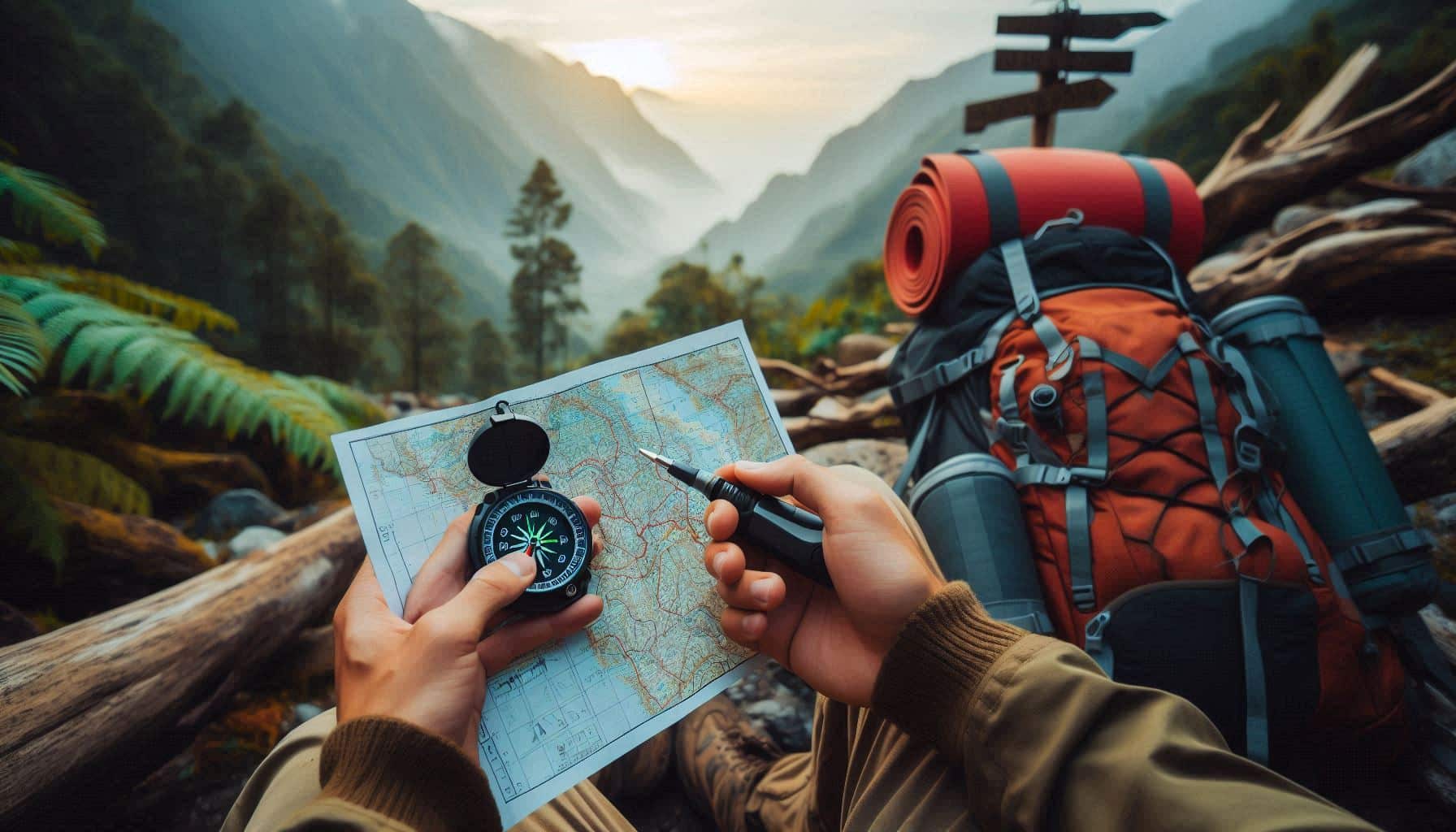
Map Reading And Orientation Skills
Map reading is a critical skill for any solo trekker. Proper orientation ensures you’re always on the right path. Start with these steps:
- Study the map before your hike.
- Identify landmarks and relate them to your surroundings.
- Keep the map handy for regular checks.
Understanding topographic lines helps recognize elevation changes. Make sure you can read these lines effectively.
Using A Compass And GPS Devices
A compass works hand-in-hand with your map. Here’s how to use one:
- Align the compass direction with the map’s north.
- Rotate the housing to match the map lines.
- Follow the pointed direction for your route.
GPS devices offer additional security. They provide your precise location. Choose a reliable device with a long battery life.
Trail Markers And Signs
Trail markers, like blazes, stakes, or flags, guide you along your hike. Here’s what to remember:
- Recognize the local trail marking system.
- Look for the markers at regular intervals.
- Stay alert for changes in trail directions.
Signs give information about distances, directions, and points of interest. They’re often found at trailheads and junctions.
Knowing When To Ask For Help
Even the most experienced trekkers need help sometimes. Stay safe by remembering:
- It’s okay to turn back if conditions are bad.
- Carry a whistle and a mirror for signaling.
- Inform someone about your route and expected return.
If you’re lost, stay put and signal for help. Your safety is the top priority.
Ensuring Proper Hydration And Nutrition
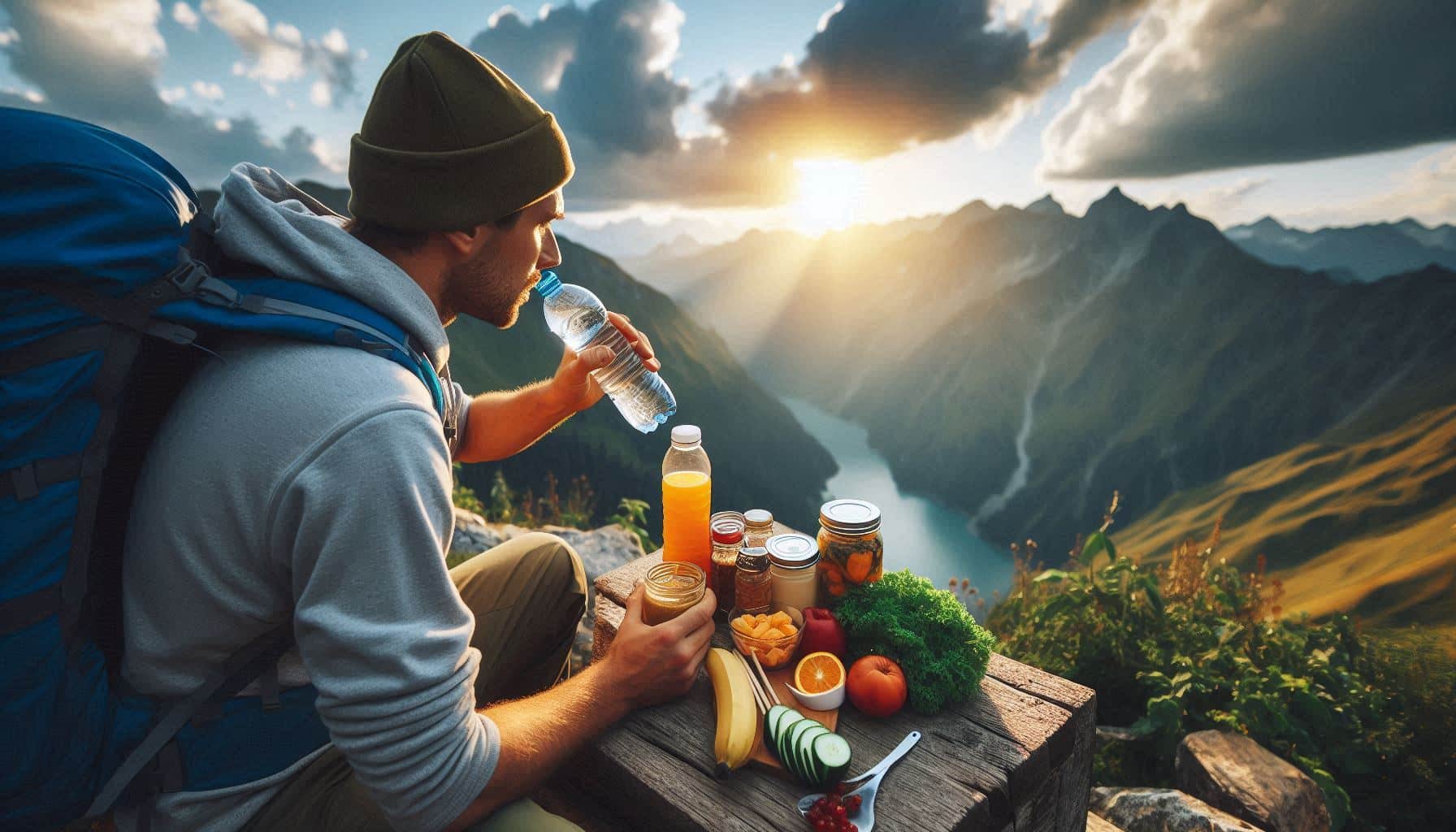
Staying hydrated and well-fed is vital while embarking on your first solo adventure trek. Your body’s performance hinges on the right fuel. Let’s simplify hydration and nutrition for the trail.
Calculating Water Needs
Every hiker’s water requirement varies. The climate, exertion level, and body size play a role. Start by calculating half an ounce to an ounce of water per pound of body weight, adjusted for your trek conditions.
| Body Weight (lbs) | Water per day (oz) |
|---|---|
| 120 | 60-120 |
| 150 | 75-150 |
| 180 | 90-180 |
Carrying Lightweight And Nutritious Meals
Pack meals that are light but dense in nutrition. Dried fruits, nuts, and freeze-dried meals are excellent. They save weight and space but pack a generous energy punch.
- Freeze-dried vegetables
- Whole-grain cereals
- Dehydrated lean meats
Packing Energy-boosting Snacks
For quick energy boosts, stash snacks that deliver. Opt for bars, nut butter packs, and dried fruits. They’re tasty and will give you that needed spike in energy.
- Energy bars
- Trail mix
- Jerky
Avoiding Dehydration And Overexertion
Monitor your hydration. Never wait to feel thirsty. Take small sips regularly and rest before feeling tired. This practice helps avoid both dehydration and overexertion.
| Tip | Action |
|---|---|
| Drink Water | Sips every 15-20 minutes |
| Eat Snacks | Small portions hourly |
| Rest | Short breaks every hour |
This snippet offers a great insight into maintaining your hydration and nutrition levels during a solo trek. It provides clear instructions and practical tips, using tables and lists to simplify information. It is tailored for beginners, ensuring that they can easily follow and understand the guidelines presented in a visually appealing and structured manner.
Coping With Mental And Emotional Challenges
Stepping out to conquer solo treks can be as mentally demanding as it is exhilarating. As you prepare for your adventure, it’s vital to understand and manage the mental and emotional hurdles that might arise. With these insightful tips, you can gain confidence, maintain a positive mindset, and cherish every step of your journey.
Dealing With Fear And Anxiety
The thought of solitude amidst the wilderness might spark fear and anxiety. Start by acknowledging these feelings as a natural part of the adventure.
- Research your trail to boost your confidence
- Inform someone about your plans
- Take an introductory self-defense course
Arm yourself with knowledge and preparedness. This can transform fear into excitement for the journey ahead.
Managing Stress And Pressure
Solo treks come with their share of challenges. Managing stress is vital to a successful adventure.
Break down your trek into manageable sections. Focus on one segment at a time. Celebrate small victories along the path.
- Create a realistic itinerary.
- Set personal checkpoints
- Keep a balanced pace
Fostering Mindfulness And Self-care
Mindfulness and self-care are your allies on solo treks. Stay present to avoid feeling overwhelmed.
- Start the day with deep breathing
- Practice walking meditation
- Stay hydrated and nourished
Prioritize your well-being to keep the mind and body in harmony as you traverse challenging terrains.
Enjoying The Journey
Embrace each moment of your solo trek. Enjoy the unique perspectives and personal growth it offers.
Take photos, jot down thoughts in a journal, and relish the peace in nature’s embrace.
- Savor the solitude
- Witness the beauty around you
- Welcome unexpected experiences
Solo Trekking Etiquette And Leave No Trace Principles
Venturing into the wilderness alone brings a unique feeling of freedom and challenge. To ensure your solo adventure leaves a positive impact, consider the environment and the footprint you leave behind. Here, we discuss the essential principles that make your journey responsible and rewarding. Respect for nature and fellow trekkers is crucial.
Respecting The Environment And Wildlife
Wilderness requires our utmost respect. That means keeping a safe distance from wildlife and staying on trails to protect natural habitats. Always observe animals from afar to avoid distress, and never feed wild creatures.
Practicing Proper Waste Disposal
- Pack it in, pack it out. Carry all trash with you until you can dispose of it properly.
- Use designated toilet facilities or dig a cat hole 200 feet away from water, trails, and camps.
- Take leftover food home. Even biodegradable waste can disrupt local wildlife.
Following Trail Etiquette
- Greet fellow hikers but keep interactions brief to maintain a peaceful experience.
- Stay to the right and pass others on to the left, politely signaling your presence if needed.
- Yield to uphill traffic when you’re heading downhill.
Leaving Nothing But Footprints
Cherish the beauty of nature by leaving it untouched for the next adventurers. Take only pictures and memories. Leave rocks, plants, and historical artifacts as you find them. Your footprints should be the only evidence of your visit.
Seeking Professional Guidance And Joining Trekking Groups
Embarking on a solo trek stirs a mix of excitement and worry. Understanding this, seeking expert advice, and teaming up with like-minded adventurers can transform concerns into confidence. Discover how professional guidance and joining trekking groups can ensure a rewarding first solo adventure.
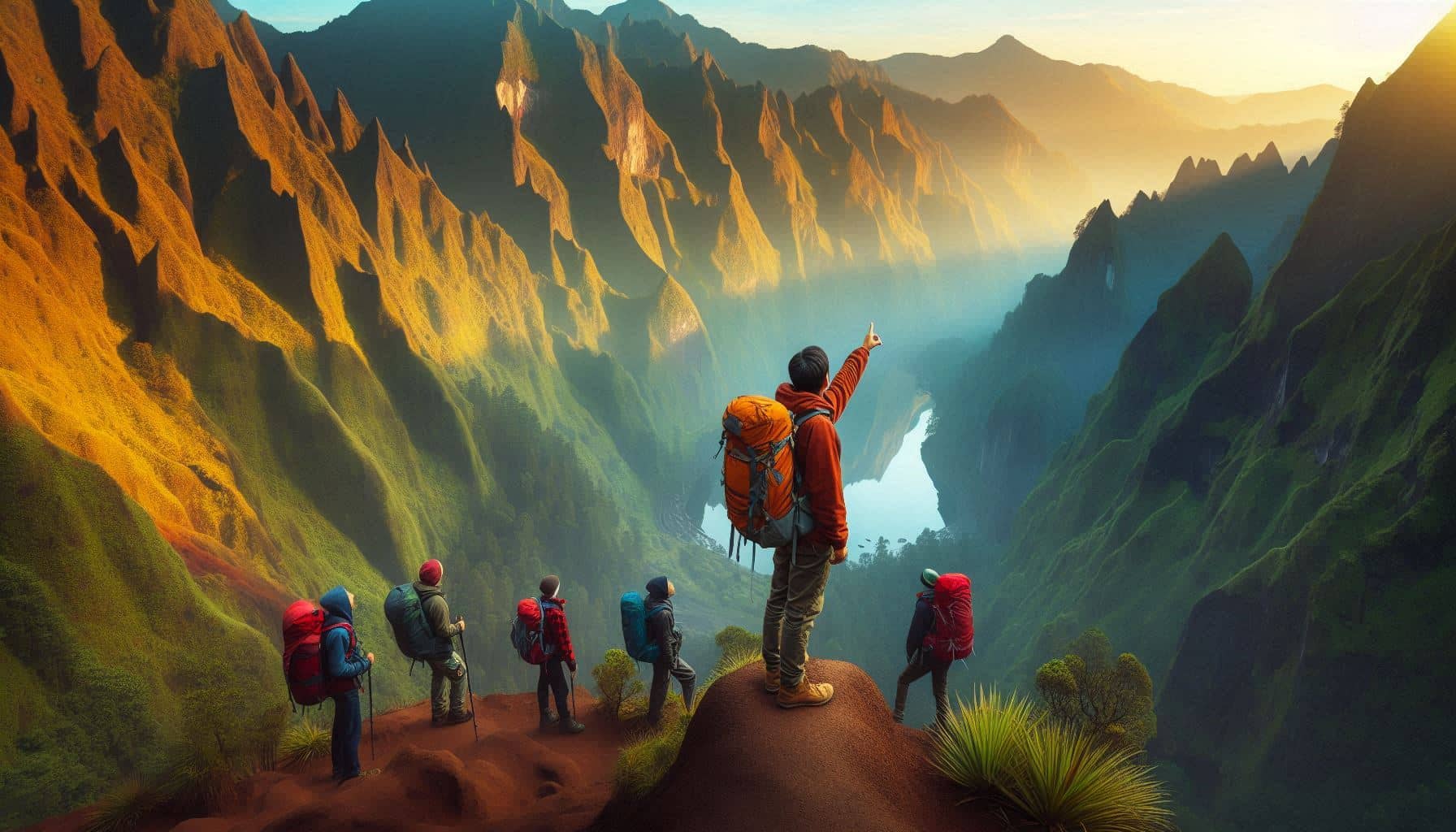
Hiring A Professional Trekking Guide
A professional guide offers vital support and insight. With their expertise, navigate terrains safely and enjoy the scenic marvels stress-free. Here’s why a guide can be invaluable:
- Familiarity with trails ensures you’re always found.
- Local knowledge enriches your journey.
- Safety is prioritized, with experts managing risks adeptly.
Joining Organized Group Treks
Group treks merge social interaction with adventure. They offer a planned itinerary where logistics are handled, allowing you to focus on the experience. Consider these benefits:
- Shared costs can reduce expenses.
- Pre-arranged accommodations and meals simplify planning.
- An opportunity to make new friends with shared interests.
Benefiting From Shared Knowledge And Experience
Seasoned trekkers bring priceless insights. Learning from their journeys allows you to anticipate challenges and embrace best practices. Gain wisdom on:
| Gear Recommendations | Trail Etiquette | Survival Tips |
|---|---|---|
| What to pack | Respecting nature | Emergency procedures |
| Equipment care | Trail sharing | Weather readiness |
Networking With Fellow Trekkers
Connections you make can lead to future treks together. Exchange contact details and stay in touch through social media or trekking forums. These networks can offer:
- Tips on upcoming treks
- Advice on gear discounts and deals
- Invitations to exclusive hiking clubs
Budgeting And Finances For Your Trek
Venturing out on a solo trek brings its own set of thrills and challenges. Budgeting and managing your finances may not seem the most exciting, yet they are crucial. A well-planned budget ensures a stress-free adventure. Let’s dive into intelligent, practical financial planning for your trekking expedition.
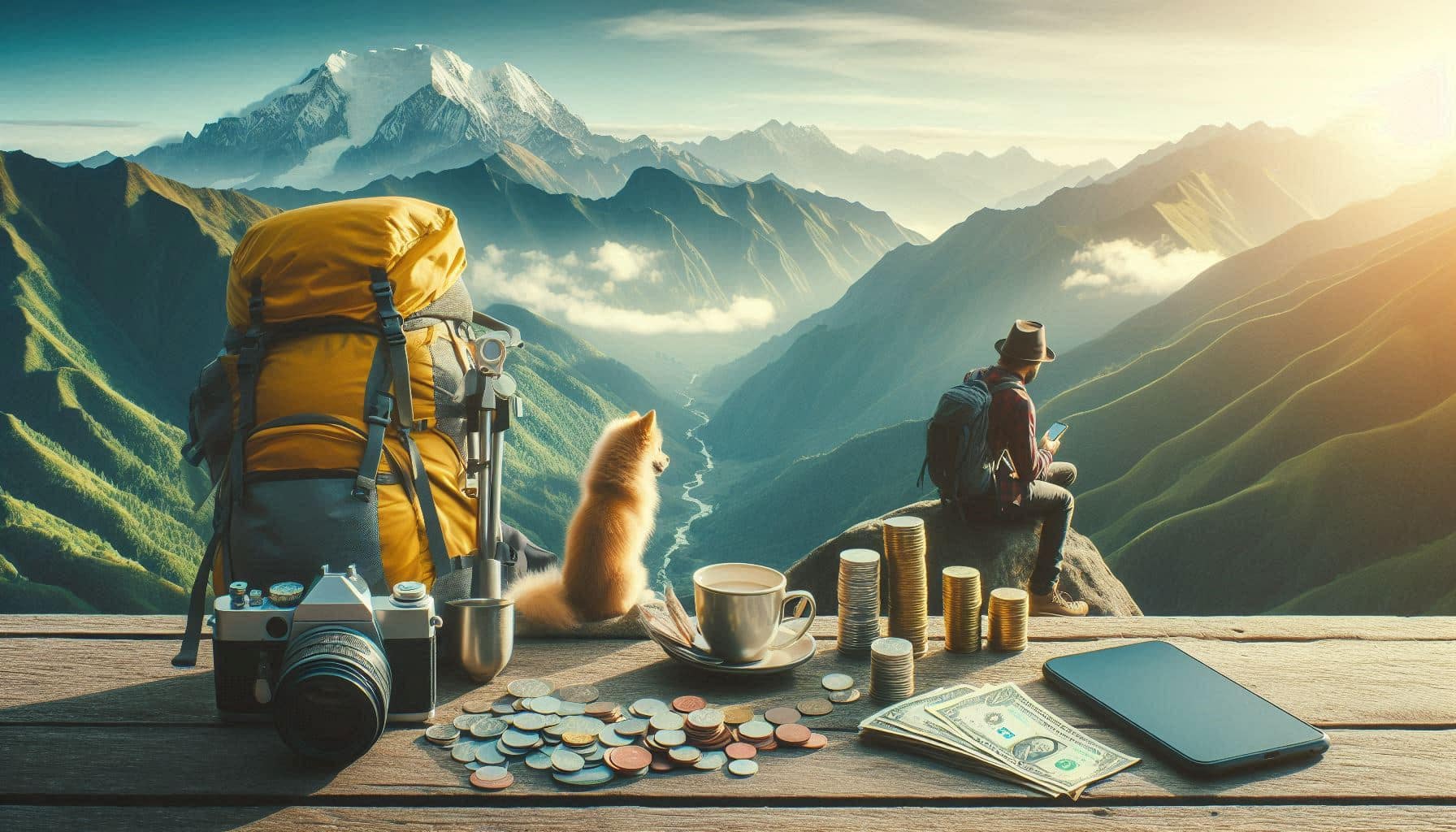
Assessing Total Trip Cost
Begin by crafting a comprehensive cost outline for your journey. Account for all possible expenses, including travel fares, accommodation, food, permits, gear, and emergencies. This step will help you chart a clear fiscal path.
Add other categories as needed
| Expense Category | Estimated Cost |
|---|---|
| Travel | $XXX |
| Accommodation | $XXX |
| Food | $XXX |
Setting A Budget And Sticking To It
Define your spending limits before you set them out. Use apps or a journal to track expenses. Prioritize needs over wants and remind yourself of your adventure’s actual value.
- Create daily spending limits.
- Monitor your outflow regularly.
- Avoid impulsive purchases.
Smart Money-saving Tips For Solo Trekkers
Save more with clever tricks that don’t compromise your experience. Eat local, opt for shared accommodation, and buy supplies in advance. Look for discounts and trek during the off-peak season.
- Plan meals and cook when possible.
- The book stays at hostels or campgrounds.
- Purchase gear during sales.
Considering Travel Insurance
Remember to consider the value of good travel insurance. It’s a safety net for unforeseen events, from medical emergencies to lost possessions. Compare offers and read the fine print to pick the best plan for your needs.
Shop around for insurance deals. Ensure coverage for adventure activities. Keep emergency funds accessible.
Solo Trekking Dos And Don’ts
Embarking on a solo adventure sparks a blend of excitement and anxiety. Preparation and knowledge are your allies. Follow these solo trekking dos and don’ts for a journey as rewarding as the destination.
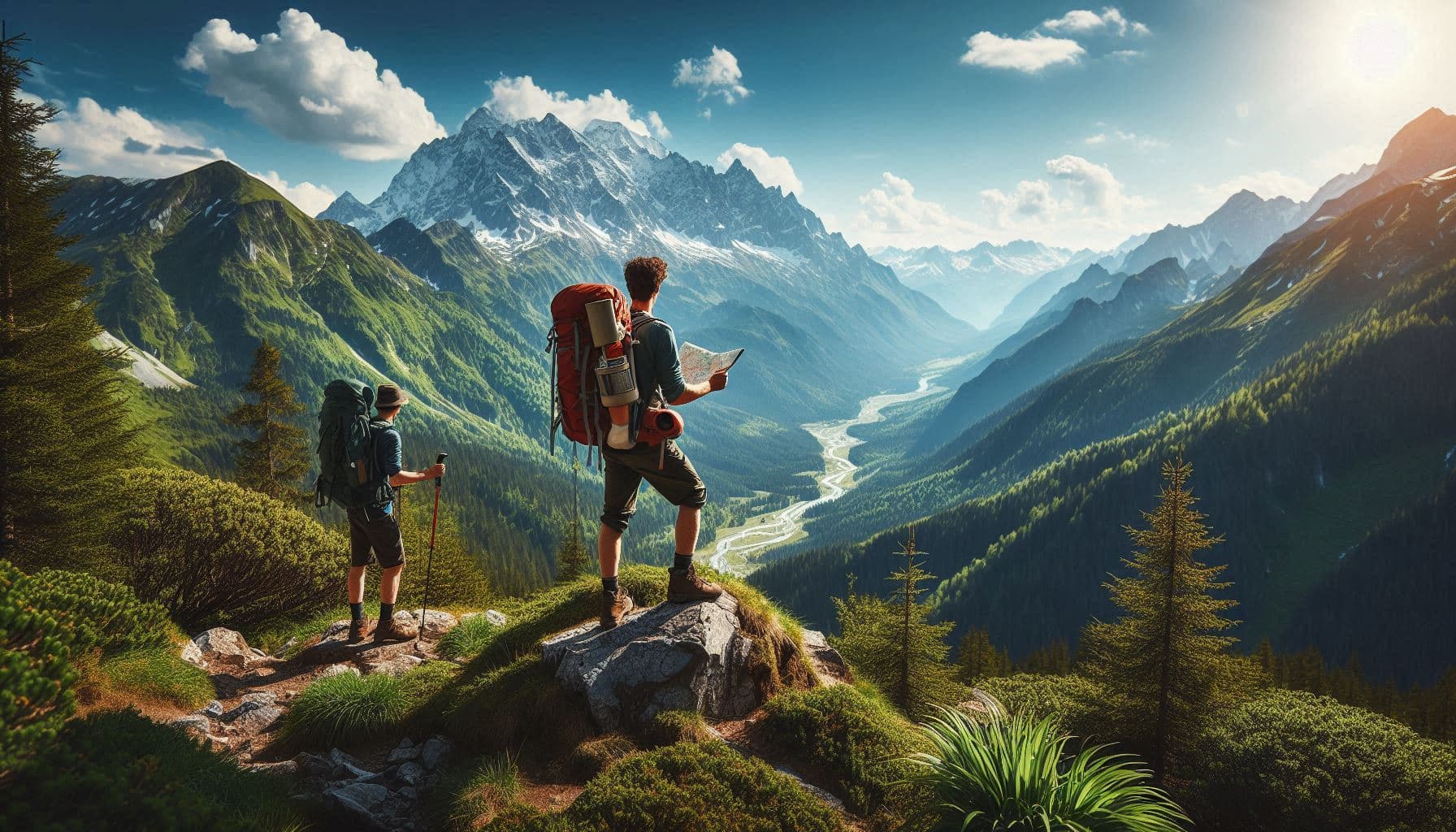
Do Your Research And Plan Well
- Choose a trail fitting your skill level.
- Study the weather and terrain.
- Prepare an itinerary and share it.
Don’t Underestimate The Challenge
- Respect the wilderness and its risks.
- Equip yourself with the right gear.
- Never go beyond your limits.
Do Practice Self-care And Self-awareness
Listen to your body. Hydrate and nourish regularly. Take breaks and adjust to conditions. Always stay alert.
Don’t Forget To Enjoy The Journey
Pause to appreciate views. Capture moments with pictures. Bask in the solitude and serenity that nature offers.
Making The Most Of Your First Solo Trek
Ready for your first solo adventure? Embrace the exhilaration of trekking alone with these essential tips to make the most of your journey. From nature’s embrace to newfound friendships, your solo trek will be an unforgettable chapter in your life’s adventure.
Immerse Yourself In Nature’s Beauty
Surround yourself with the tranquility of the wilderness. Allow the chirping birds, rustling leaves, and gentle streams to be your soundtrack. Each step in nature is a step toward serenity.
Connect With Locals And Fellow Trekkers
Nod to locals, chat with fellow hikers, and share experiences. These connections make your journey rich with culture and companionship. Fellow trekkers can become lifelong friends.
Capture Memories Through Photography
Click, capture, and cherish. Your camera is your storyteller, saving the moments that words cannot describe. Snap the sunsets, wildlife, and all the majestic views.
Reflect On Your Personal Growth
End each day with reflection. Consider the challenges you have overcome. Solo trekking is as much about the inner journey as the scenic path you travel.
Inspiring Stories Of Solo Adventure Trekkers
Brave souls journey alone, filled with doubts and fears. Their stories inspire us all.
Solo trekkers overcome vast challenges. Their feats speak volumes about resilience and strength.
Learning Valuable Life Lessons
- Self-reliance grows with each step taken.
- Every solo journey teaches patience and problem-solving.
- Travelers gain insight and understanding through solo adventures.
Pushing Limits And Conquering Fears
Pushing past their comfort zones, trekkers find new strength. They conquer mountains and fears together.
| Trekker | Challenge | Fear Overcome |
| Emma | Harsh weather | Loneliness |
| Liam | Rugged terrain | Self-doubt |
| Noah | Wildlife encounters | The unknown |
Each story, a beacon of hope, shows us the way forward. Trekking solo is not about isolation; it’s about discovering oneself amidst nature’s embrace.
Choosing The Right Time For Your Solo Adventure Trek
Embarking on a solo adventure trek ignites a unique thrill. Time your trek flawlessly to ensure an unforgettable experience. The right timing can make a world of difference.
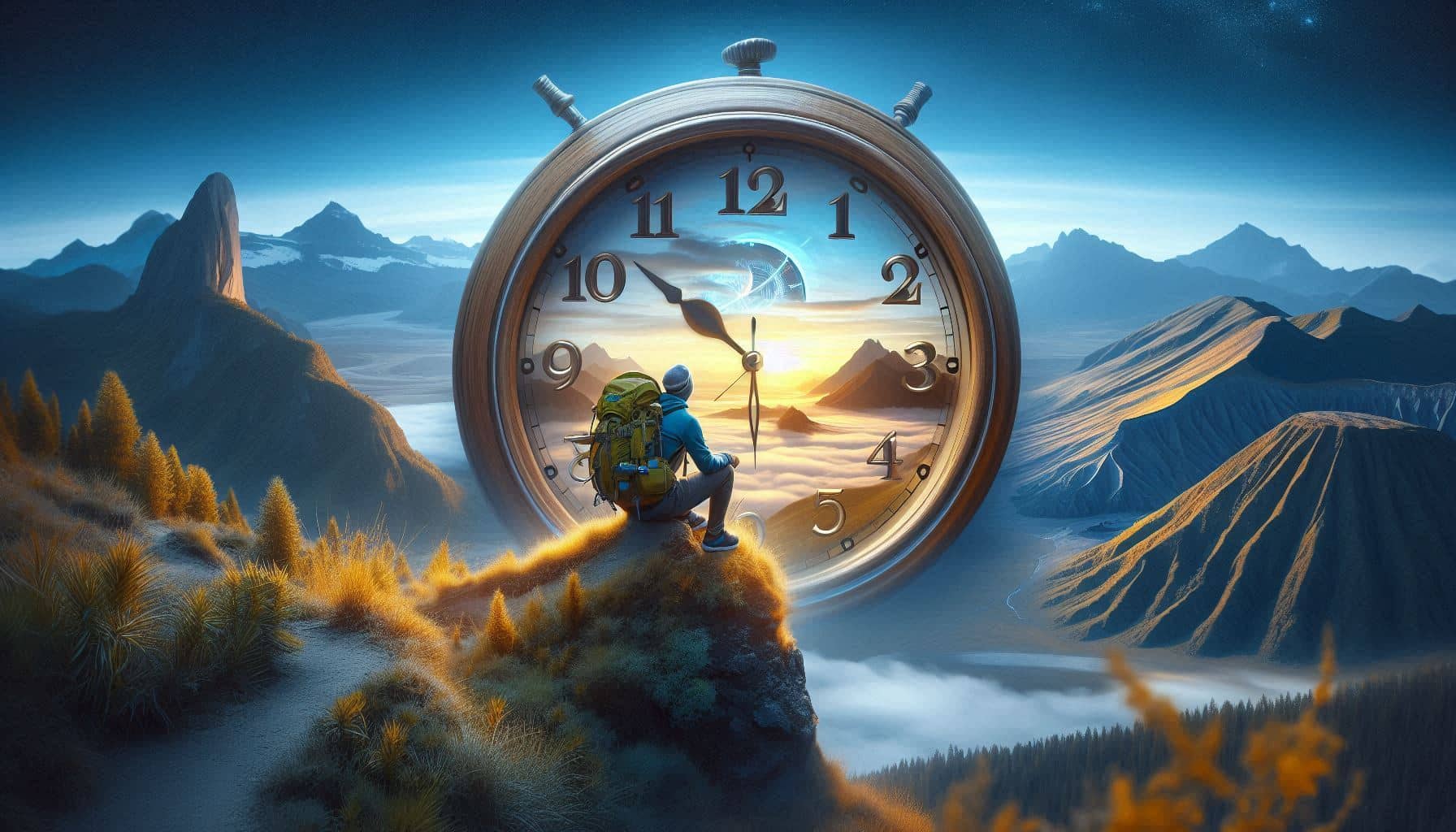
Considering Weather And Climate
Checking the weather and climate of your destination is crucial. It’s best to aim for a season that promises favorable conditions for hiking. Research historical weather patterns for insights. Below are the ideal conditions for various terrains:
- Mountainous regions: Late spring to early fall
- Deserts: Late fall to early spring
- Forests: Depending on latitude, summer can be perfect
Avoiding Peak Tourist Seasons
Solo treks offer peace and solitude. To maintain this serenity, avoid peak tourist times. Popular trails become crowded and less enjoyable. Travel during shoulder seasons for a better experience. For example:
- Yosemite National Park: May or September
- Appalachian Trail: Early spring or late fall
Taking Advantage Of Off-season Benefits
Off-season treks have perks. You’ll find tranquility, lower costs, and sometimes better wildlife sightings. Accommodations are more accessible to book, and trails are more personal. Consider these benefits when planning:
| Benefit | Explanation |
|---|---|
| Economy | Lower prices on travel and stay |
| Privacy | Less crowded trails |
| Engagement | More meaningful interactions with locals |
Reflecting On Your Solo Adventure Trek
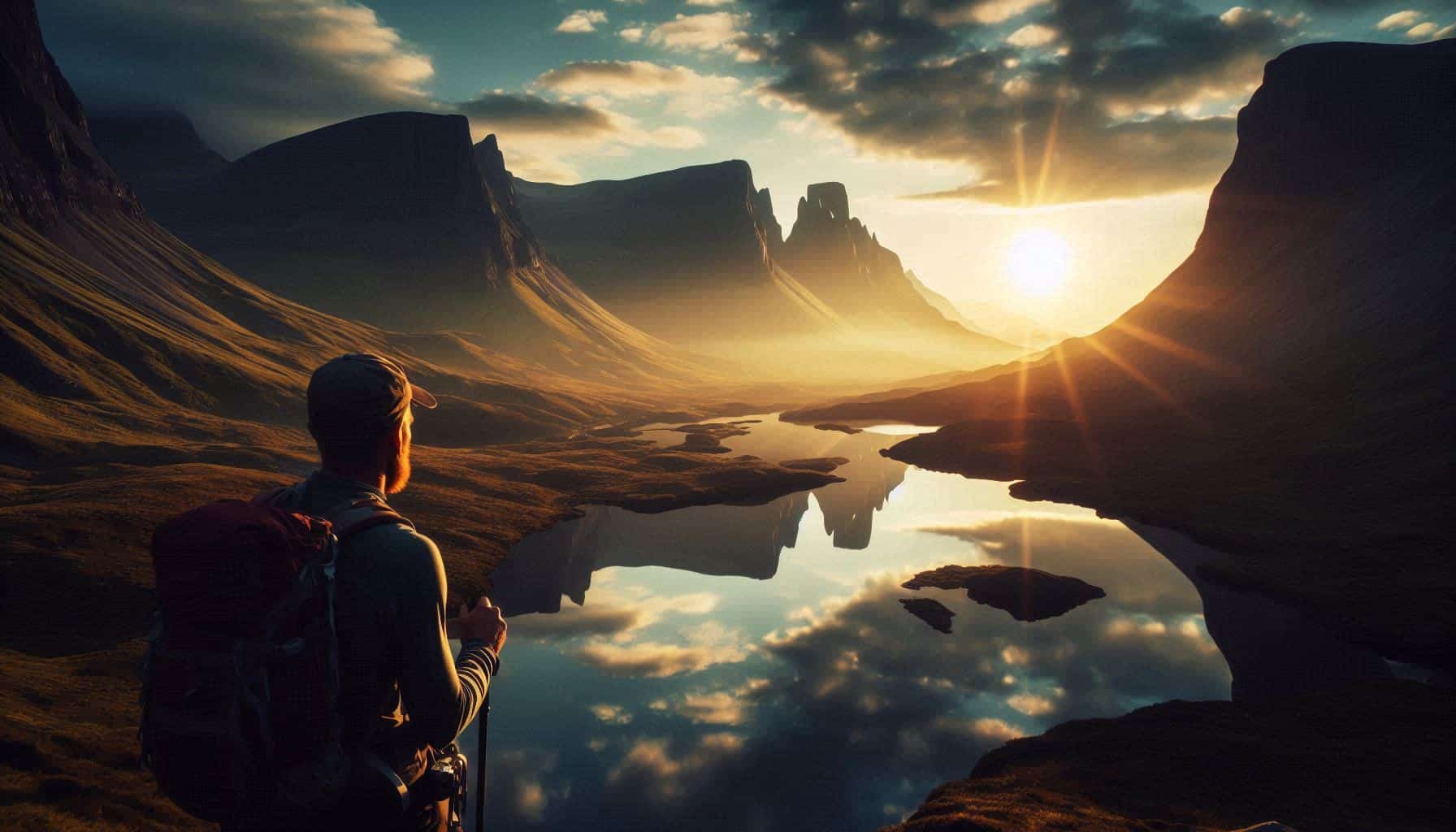
Conquering a solo trek brings a mix of triumph and reflection. Once the dust settles and your feet rest, it’s time to reflect on your journey. Your solo adventure was more than a trek—a personal voyage of discovery. Let’s delve into the richness of this experience.
Appreciating Your Accomplishments
- Embrace the challenges you overcame.
- Celebrate your courage to set out alone.
- Acknowledge every mile as a testament to your determination.
Evaluating Lessons Learned
- Recognize the importance of trusting your instincts.
- Understand the value of careful planning and preparation.
- Identify areas for improvement on future treks.
Planning Your Next Solo Adventure
With one trek behind you, set your sights on new horizons. Consider these steps in planning your next wilderness walk:
| Step | Action |
|---|---|
| 1. | Choose a destination that excites you. |
| 2. | Upgrade your gear based on your last experience. |
| 3. | Set realistic goals for your next challenge. |
A successful solo trek is worth celebrating. Take pride in your achievements and build on your accomplishments as you plan for more solo adventures.
Frequently Asked Questions On Forget The Fear, Hike Here: Conquering Your First Solo Adventure Trek
What Is A Quote About Solo Adventure?
A quote about solo adventure is, “Traveling solo means getting to know the real you. ”
Is Patagonia Safe To Travel Alone?
Patagonia is generally safe for solo travelers, offering well-maintained trails and good security in national parks.
How Do You Caption A Solo Trip?
Caption your solo trip with phrases like “Solo traveler on the move,” “Embracing my path,” or “Adventure for one, memories for a lifetime. ”
Why Solo Ride Quotes?
Solo ride quotes inspire and celebrate the empowerment of traveling alone, illuminating the personal growth and freedom it brings.
What Are the Benefits Of Solo Hiking?
Solo hiking provides an opportunity to meditate, gain self-reliance, enjoy solitude, and connect deeply with nature.
How To Prepare For A Solo Trek?
Ensure you have the right gear, study your route, inform someone about your plans, and always check the weather before departing.
Can Solo Treks Increase Confidence?
Solo treks challenge individuals, resulting in increased self-confidence and a stronger sense of accomplishment.
What To Carry On A Solo Adventure?
Pack essentials: a map, compass, water, snacks, first aid kit, multi-tool, headlamp, and emergency shelter, while considering the trek’s length and difficulty.
How To Stay Safe On A Solo Hike?
Always stay on marked trails, be aware of your surroundings, carry a means of communication, and have a basic understanding of first aid.
Why Is Solo Hiking Rewarding?
Solo hiking lets you set your own pace, make all the decisions, and offers a rare space for personal growth and reflection.
Conclusion
Embrace the challenge, conquer your fears, and embark on the adventure path. Trekking solo is a journey not just through nature but also into your strength and resilience. Remember, every peak reached starts with the courage to take the first step.
Step out, breathe deep, and let the trail transform you. Your first solo hike is a daring move towards a lifetime of adventures. Go ahead; the trails are waiting.