Thinking about going to Iceland? You’re in for something special. Picture volcanoes, waterfalls, glaciers, and hot springs—all in one place.
But here’s the thing: Iceland changes a lot depending on when you go. In summer, you get sunshine all day. In winter, the skies go dark—and that’s when the Northern Lights show up.
So how do you choose the best time to travel to Iceland? That’s what this guide is all about. We’ll walk you through the seasons and help you find the perfect time for your adventure.
Why the Time of Year Matters
Iceland looks different in every season. The weather, road access, daylight hours, and even prices can change a lot. Choosing the right time helps you:
-
See what you want (like whales or the Northern Lights)
-
Stay safe on the roads
-
Avoid high prices or big crowds
Let’s take a closer look at each season to help you decide.
The Seasons in Iceland: What Each One Offers
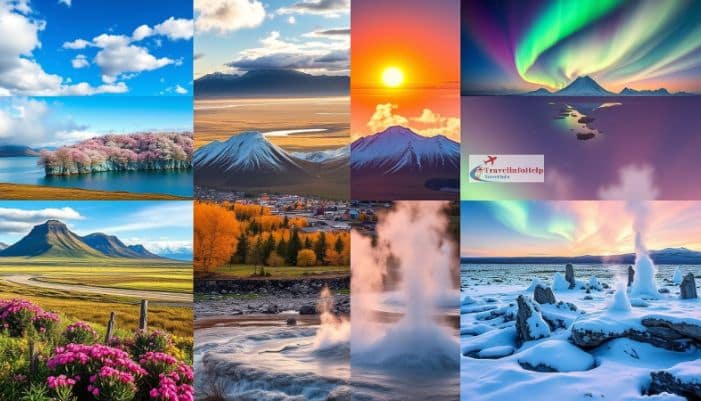
Winter (December – February): Cold, Quiet, and Magical
Winter in Iceland is cold, but also full of wonder.
What’s great:
-
You can see the Northern Lights
-
Snow turns waterfalls and landscapes into fairy tales
-
There are fewer people, so it’s quieter and cheaper
What’s tricky:
-
There’s not much daylight (only 4-5 hours a day)
-
Some roads are closed or icy
-
Weather can change fast
Imagine standing under a sky full of stars. Then—green lights swirl above. That’s winter in Iceland.
Spring (March – May): Nature Wakes Up
Spring is when Iceland starts to warm up. You’ll see snow melting and flowers growing.
What’s great:
-
Days get longer—up to 18 hours of daylight by May
-
Waterfalls are full and powerful from melting snow
-
Puffins begin to return
-
Fewer tourists than in summer
What’s tricky:
-
Weather is still cold, especially in March
-
Some mountain roads are still closed
Spring is a great time for peaceful views and cheaper trips.
Summer (June – August): Long Days and Big Adventures
Summer is the most popular time to visit. It’s also the warmest and sunniest.
What’s great:
-
24 hours of daylight in June means more time to explore
-
Roads to the Highlands are open
-
Best time for hiking, camping, and road trips
-
Fun local festivals
What’s tricky:
-
More people, especially at famous spots
-
Prices go up
If you want to see a lot, summer is your best bet.
Fall (September – November): Colors, Calm, and Early Northern Lights
Fall in Iceland is short, but stunning. The colors are rich and the air is crisp.
What’s great:
-
Beautiful fall colors
-
Northern Lights begin to show again
-
Fewer crowds and lower prices
-
Great for photos
What’s tricky:
-
Weather gets cold fast
-
Some roads start to close again
Fall is best if you want quiet beauty and a little bit of everything.
A Quick Look: Month-by-Month in Iceland
January
-
Very cold and dark
-
Great time to see the Northern Lights
-
Ice caves and snowy landscapes
February
-
Still winter, but daylight starts to grow
-
Aurora still strong
-
Fewer people
March
-
Days are longer
-
Start of spring festivals
-
Mix of snow and sunshine
April
-
Snow melts, waterfalls grow
-
Puffins may start arriving
-
Still chilly
May
-
Flowers bloom, nature wakes up
-
Puffins arrive
-
Perfect for budget travelers
June
-
Midnight Sun—no darkness!
-
Best weather
-
Ideal for road trips and hiking
July
-
Warmest month (10–15°C)
-
Tons of activities and events
-
Great for kids and families
August
-
Still summer, but cooler
-
Start of berry-picking and local fairs
-
Less crowded than July
September
-
Fall colors everywhere
-
Northern Lights return
-
Quiet and cozy
October
-
Crisp weather, moody skies
-
Road conditions change
-
Great time for hot springs
November
-
Dark, quiet, and dramatic
-
One of the best times for auroras
-
Fewer tourists
December
-
Short days, snowy views
-
Cozy Christmas lights and markets
-
Perfect for a magical winter trip
Best Time to See the Northern Lights in Iceland
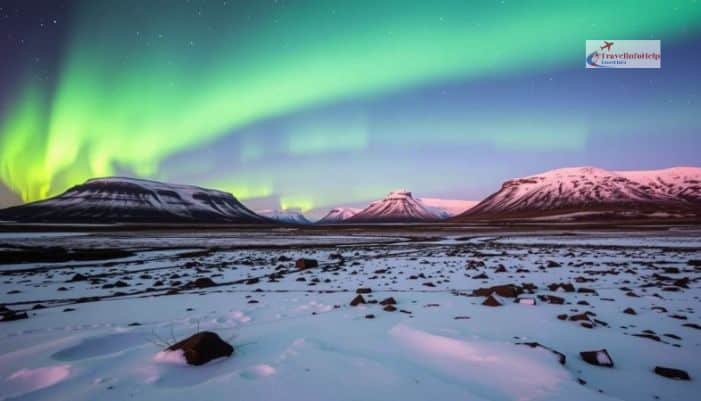
To see the Northern Lights, go between late September and early April. These months are dark enough for the lights to appear.
Tips:
-
Stay at least 5–7 nights for better chances
-
Go to places with no light pollution (away from cities)
-
Choose clear nights with little or no clouds
Remember, no one can guarantee the lights, but winter gives you the best shot.
Best Time for Road Trips and the Ring Road
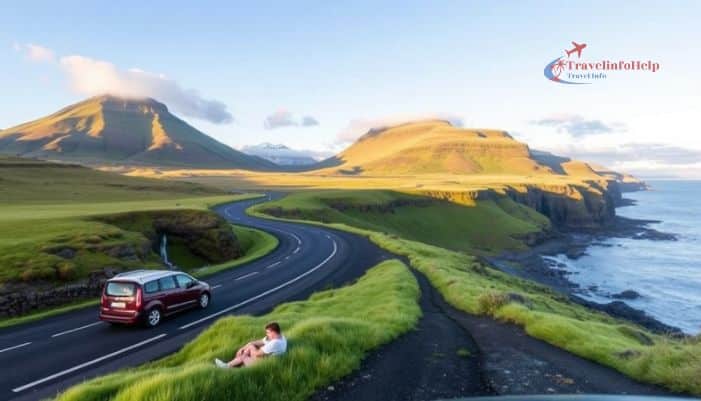
Want to drive the famous Ring Road? Go in summer or early fall.
-
June to September: Roads are clear and safe
-
All areas, including the Highlands, are open
-
Campgrounds and small towns are open
Avoid winter driving unless you’re experienced with ice and snow.
Best Time for the Golden Circle and South Coast
These areas are open all year, but each season is different:
-
Summer: Easiest travel, warmest weather
-
Fall/Spring: Fewer people, great light for photos
-
Winter: Frozen waterfalls and snow-covered cliffs
Read More:
Safest Places in Mexico to Visit in 2025
Best Time to Travel to Iceland on a Budget
Iceland can be pricey, but you can save by traveling in the off-season:
-
November to March (not including Christmas): Cheaper flights and hotels
-
Use buses instead of renting cars
-
Eat local—try hot dogs and bakery goods
Or travel in May or September for good weather and lower prices.
So, What’s the Best Time for You?
Here’s a quick guide:
| Your Goal | Best Time to Visit |
|---|---|
| Northern Lights | October – March |
| Road Trips & Hiking | June – August |
| Fewer Crowds | May or September |
| Budget Travel | November – March |
| Festivals & Long Days | June – July |
You really can’t go wrong. Each season brings something different.
FAQs: Easy Answers for Travelers
Final Thoughts
No matter when you go, Iceland will amaze you. You’ll see nature like nowhere else—huge waterfalls, glowing skies, lava fields, and geysers that shoot high into the air.
So…what’s the best time to travel to Iceland? It depends on your dream trip. Want to see glowing skies? Go in winter. Want to drive across the country? Summer’s best.
Whatever you choose, one thing is sure: Iceland is going to leave you speechless.