Why Europe Remains the Dream DestinationPhoto by Alexander Van Steenberge on Unsplash
From the snow-capped Alps to Mediterranean coastlines, Europe offers a tapestry of culture, cuisine, and natural beauty unlike anywhere else on the planet. With over 40 countries packed into a relatively small landmass, it’s the ultimate place to experience multiple languages, traditions, and landscapes in one adventure. But as exciting as it sounds, planning a trip across Europe can be overwhelming—unless you know how to do it right.
Whether it’s your first time or your fifth, here’s how to plan an unforgettable and stress-free European journey.
Step 1 — Start with Your Vision
Decide What Type of Trip You Want
Europe caters to all kinds of travelers: history buffs, foodies, backpackers, luxury seekers, solo wanderers, and families alike. So before diving into logistics, ask yourself:
- Are you dreaming of city hopping across iconic capitals like Paris, Rome, and Berlin?
- Do you want to spend your days hiking in nature and sleeping under the stars in the Dolomites?
- Are you interested in slow travel, exploring local villages and living like a local?
Your goals will guide everything that comes next—from your transportation mode to your budget.
Pick the Right Time of Year
Seasons dramatically influence the European experience. Summer is bustling and festival-filled, but it’s also crowded and more expensive. Spring and fall offer mild weather, fewer tourists, and better prices. Winter is ideal for skiing in the Alps or enjoying festive holiday markets, especially in Germany, Austria, and the Czech Republic.
Keep in mind that weather varies widely between countries. While Spain might be sunny in March, Norway could still be blanketed in snow.
Step 2 — Choose Your Destinations Wisely
Don’t Try to See It All
It’s tempting to cover ten countries in two weeks—but resist the urge. Instead, pick a few key regions or cities and explore them deeply. This not only saves time and money but also allows for a richer experience.
A few sample itineraries to consider:
- Classic Route: London → Paris → Amsterdam → Berlin
- Mediterranean Escape: Barcelona → Nice → Rome → Athens
- Central Europe Discovery: Prague → Vienna → Budapest
- Scenic Adventure: Lucerne → Interlaken → Innsbruck → Salzburg
Consider the Distance and Transit Times
Use Google Maps or Rome2Rio to check how far places really are. While flights between major cities are cheap, they often require long security lines and travel to and from airports. Trains and buses can be more efficient—and they offer better views.
Step 3 — Organize Your Transportation
Rail, Plane, or Road?
- Trains: Comfortable, scenic, and widespread. Consider a Eurail Pass if traveling to multiple countries.
- Flights: Best for long distances, especially between Eastern and Western Europe. Use regional airlines, but always check luggage fees.
- Car Rental: Ideal for rural or less-touristy regions (like Tuscany or the Scottish Highlands). Driving gives freedom but comes with tolls, fuel costs, and parking hassles.
If you’re taking the road less traveled, don’t forget your road trip essentials: an international driver’s permit, offline GPS maps, snacks, and a reliable mobile hotspot.
Local Transport and City Cards
Major cities offer day passes for public transport that can save you money. Some also offer city cards that include free museum entry, guided tours, and unlimited subway/bus rides.Photo by Vladimir Zuhovitsky on Unsplash

Step 4 — Budget and Book Smart
Set a Daily Spending Range
Costs vary dramatically between countries. While Scandinavia and Switzerland are pricey, Eastern Europe offers excellent value. Create a budget that covers:
- Accommodation
- Food and drinks
- Transportation
- Activities and entrance fees
- Daily flexibility (impulse buys, hidden gems, local treats)
Use apps like Trail Wallet or TravelSpend to track expenses.
Book Accommodation in Advance—But Not Everything
In peak season, book ahead for popular cities and major sights. Otherwise, keep some nights open for spontaneity. Mixing accommodations (hotels, hostels, rentals, even monasteries or agritourism stays) keeps your trip interesting and potentially cheaper.
Step 5 — Pack Strategically
Go Light, Go Smart
You don’t want to be hauling a 25kg suitcase over cobblestone streets or squeezing into a tiny Parisian lift. Pack light with essentials that can be worn in different ways.
Must-pack items:
- Comfortable walking shoes
- A rain jacket or travel umbrella
- Portable power bank
- Day backpack
- Copy of important documents (physical and digital)
If traveling between regions, layer your clothing to adapt to shifting temperatures.
Know What Not to Bring
Leave behind items that are easily available in Europe or rarely used (like hair dryers or extra books). Most European cities have pharmacies and convenience stores that can cover forgotten items.
Step 6 — Plan Experiences, Not Just Sights
Prioritize What Matters
Instead of cramming in five museums a day, pick one or two experiences per city that really align with your interests. This could be a cooking class in Bologna, a Flamenco show in Seville, or an underground WWII tour in Krakow.
Leave Space for Discovery
Some of the best travel memories come from unplanned moments: a hidden café in Lisbon, a spontaneous beach dip in Croatia, or chatting with locals at a Polish bakery.
Give yourself permission to wander. Don’t be afraid to stray from your itinerary when something intriguing catches your eye.
Step 7 — Be Prepared but Stay Flexible
Download Key Apps
Before you go, set up your digital travel kit:
- me or Google Maps (offline) for navigation
- Google Translate or iTranslate for communication
- Omio, Skyscanner, or Trainline for transport bookings
- XE Currency or Wise for currency conversion
- WhatsApp for keeping in touch across borders
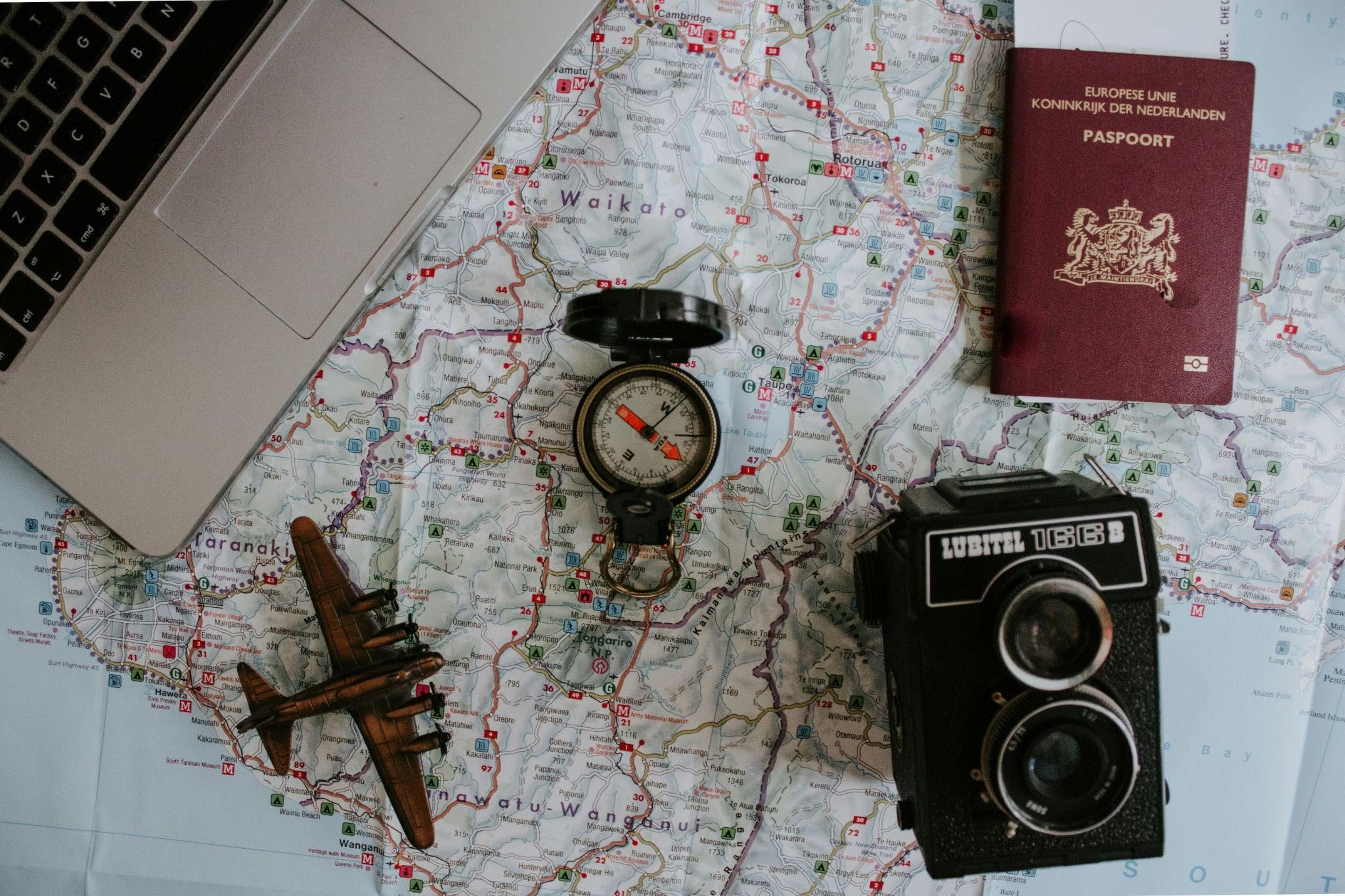
Photo by Denise Jans on Unsplash
Understand Local Customs
Learn a few phrases in the local language, know how tipping works, and respect local norms. What’s appropriate in Barcelona might not be in Munich. Doing so goes a long way toward making connections and avoiding cultural misunderstandings.