
Oktoberfest’s name might have you thinking everything kicks off in October, but here’s where it gets interesting—the party actually gets going in September. It’s a detail that catches plenty of people out, but there’s a good bit of tradition mixed in with plain old practicality behind the timing.
Back in 1810, the very first Oktoberfest was held as a celebration for Bavarian Crown Prince Ludwig and Princess Therese tying the knot. The festival ran through October, and so the name stuck. Over the years, organizers moved the start date earlier into September.
The main reason? September usually means better weather, giving everyone extra warm evenings to sip beer and soak up the outdoor atmosphere. Even now, though, Oktoberfest always wraps up in October, hanging on to its original name for old time’s sake.
Historical Origins of Oktoberfest
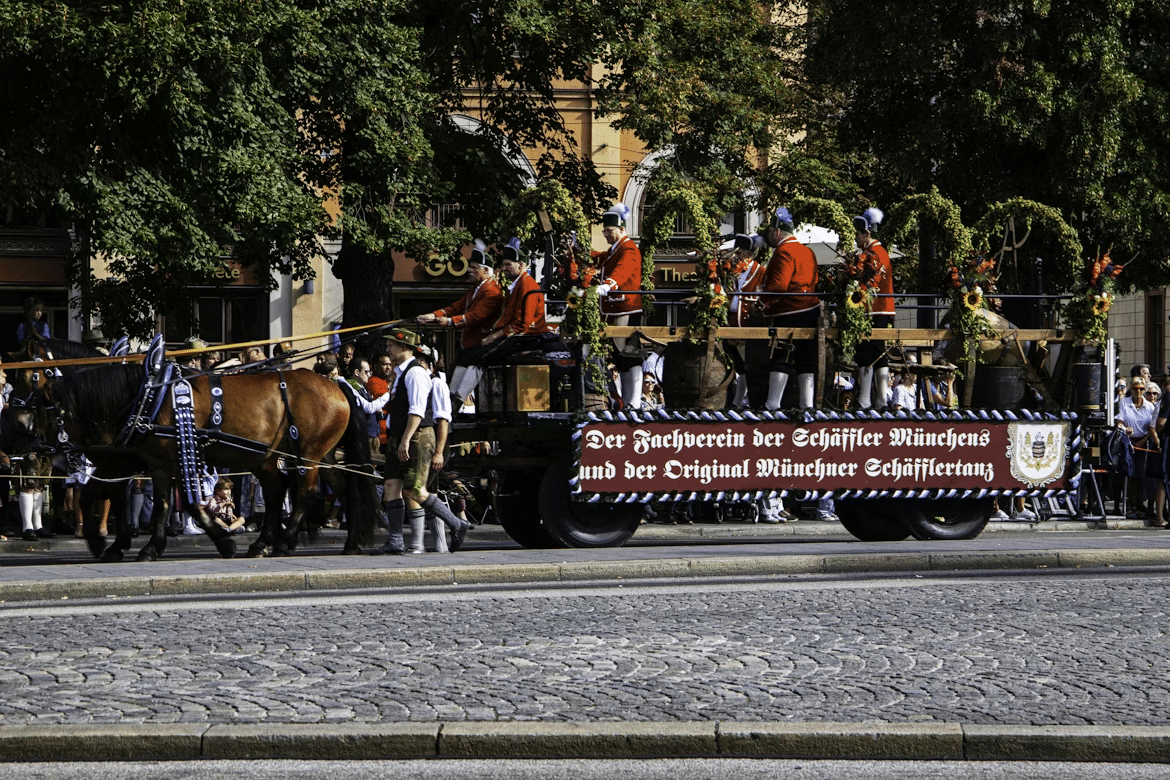
Oktoberfest began with a royal celebration back in 1810. Munich locals were invited to join in marking Crown Prince Ludwig’s marriage to Princess Therese, with the festivities kicking off on 12 October and building up to a much-anticipated horse race a few days later. The event brought the community together and was such a hit that it became an annual affair, and the origins of Munich’s Oktoberfest celebration are rooted in this iconic union.
The original party set the tone, but there were tweaks along the way. At first, the celebrations took place in October—hence the festival’s name. Eventually, organisers realised that moving the event to the warmer days of late September made it more comfortable for the crowds spending hours in beer gardens and on fairgrounds. Despite this shift, Oktoberfest still wraps up in October, hanging onto its historical roots in name and tradition.
Shift to September
Oktoberfest’s move from October to September comes down to something everyone can appreciate: decent weather. Anyone who’s tried to enjoy a beer when it’s freezing will understand why this made sense.
September in Bavaria tends to be warmer and more reliable, so festival goers get to soak up the sunny afternoons and comfortable evenings, instead of shivering through chilly October nights. It means visitors can spend longer outdoors chatting in the beer gardens or wandering through the fairground without having to wrap up in layers.
This simple change has done wonders for keeping spirits high and crowds coming back, all while the festival still finishes in October to stick with its original name.
Preserving the October Spirit
Oktoberfest finishing in October is more than just a nod to tradition—it’s directly connected to the festival’s original timing. When Oktoberfest first started back in 1810, it actually took place during October, all in celebration of a royal wedding. Although the festival now kicks off earlier in September for the sake of comfort and better weather, the organizers have held onto the tradition of wrapping up in October. This little detail keeps the festival’s name true to its roots, even as times change.
Ending in October also happens to work perfectly with the German public holiday, the Day of German Unity, which falls on 3 October. In years where these dates match up, the festival runs a touch longer, giving people a chance to celebrate both events without missing out.
So each year, Oktoberfest manages a neat balancing act—celebrating its history, making the most of sunny September days, and ensuring that October still gets its time in the spotlight.
Understanding the Name ‘Oktoberfest’
You’d think Oktoberfest would be all about October, but the story behind the name has a bit more going on. The original celebration back in 1810 took place entirely in October, kicking off a tradition that’s lasted over two centuries. That’s why the festival still carries the name, even though these days most of the festivities get an early start in September.
‘Oktober’ is simply the German word for October, so the name stuck as a nod to the very first event. Over time, organizers realized that September’s milder weather made it easier for people to enjoy the party outside, but rather than rename the whole thing, they decided to keep honoring those historical roots.
So, whenever you hear ‘Oktoberfest’, it’s a reminder of where it all began. The name links today’s revelry to its royal wedding origins and gives a tip of the hat to Bavarian tradition, even as the party dates have shifted with the seasons.
Reflections on the Timed Traditions
Oktoberfest has managed to balance history with practical changes, and you can really see this in the timing of the festival. It began as an autumn celebration in October 1810, marking the royal marriage of Crown Prince Ludwig and Princess Therese. Eventually, the start date shifted earlier into September so people could actually enjoy Bavaria’s milder weather outdoors. It’s hard to enjoy a lively beer garden if you’re shivering. Even though September gets the spotlight for most of the festivities, the final weekend stays rooted in October, holding on to the original tradition.
What’s remarkable is how Oktoberfest has grown over the years. It all started as a local wedding bash but now attracts more than 6 million visitors every year. The organizers have kept the feel of a Bavarian party alive, from parades with traditional costumes to the famous keg tapping, while adding modern touches for international guests.
The festival still does a great job of honoring its past while opening its doors to the world. Every year, Oktoberfest feels like both a nod to history and a proper, living celebration that brings people together under the Bavarian sky.

